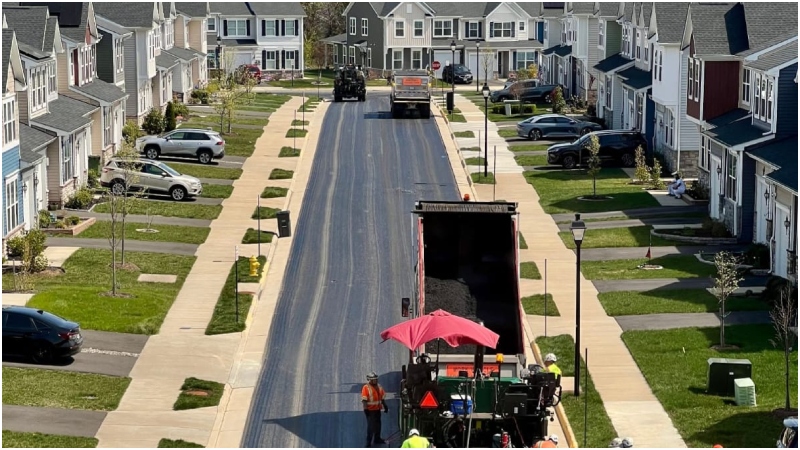
Contractors often consider road profiling a simple first step in a resurfacing project. In practice, the depth of that milling cut is one of the most consequential decisions in the entire project. It determines how long the new surface lasts, how much material contractors need, how effectively water drains, and how smoothly the finished road connects with the surrounding pavement. For anyone planning road profiling in Brisbane, where heavy summer storms and high traffic volumes constantly stress the network, getting milling depth right is fundamental to success.
The Risk of Removing Too Little
When milling is too shallow, problems in the existing pavement remain in place beneath the new surface. Wheel ruts, cracked or stripped asphalt, and weakened layers can all reflect up through a fresh overlay. Cracks, in particular, tend to reappear in the same locations within a few years, letting water in and accelerating deterioration. A shallow cut may save money at the start, but it often shortens the new surface’s life and brings maintenance forward.
The Cost of Removing Too Much
Milling deeper than necessary creates a different set of issues. Contractors must replace every additional millimetre they remove with new asphalt, which increases material quantities, transportation, and costs. Excessive milling depth can also reduce the remaining pavement thickness or expose layers that contractors should not disturb, such as the granular basecourse. Once workers expose these layers, they may need to apply additional treatments before continuing with resurfacing. This process adds time and complexity to the project.
How the Right Depth Is Determined
Setting an appropriate milling depth starts with a clear understanding of the existing pavement. Engineers and construction teams typically draw on several sources of information:
- Pavement condition assessment. Visual inspections identify cracking, ravelling, potholes and patching, and show where distress is concentrated.
- Rutting and deformation measurements. These indicate how deep the surface has moved under traffic and whether deformation is confined to the asphalt or extends further down.
- Coring and testing. Pavement cores reveal the thickness and condition of each layer, confirming how much sound material sits beneath the surface.
- Surface levels and survey data. Existing levels show how the road relates to kerbs, gutters, drainage pits and adjoining surfaces.
- Scope of the rehabilitation works. Simple resurfacing calls for a different approach than deeper structural repair.
Bringing these inputs together allows the design team to set depths that remove defective material while preserving as much sound pavement as possible. On a flexible road pavement, where layers work together to spread traffic loads, protecting the integrity of the underlying structure is particularly important.
Precision on the Day
A well-considered milling design only delivers value if it is carried out accurately. Surveys before work begins establish reference levels, and modern profilers use automated grade and slope control, often guided by sensors or survey systems, to maintain the required depth and crossfall. Regular checks during milling confirm the machine performs as intended across the full width of the carriageway.
Consistency matters. Variations in depth from one pass to the next can leave ridges, uneven layer thicknesses and inconsistent support for the new asphalt, which may show up later as ride quality issues or localised failures.
Drainage, Connections and Transitions
Milling depth directly influences how water moves across the finished surface. The profile left behind sets the base for the new crossfall, so errors at this stage can create areas where water ponds rather than drains to the kerb. In a city that regularly experiences intense downpours, effective surface drainage is essential to pavement life and road user safety.
Depth also affects how the new surface connects to kerbs, driveways, intersections and bridge joints, along with the transition between treated and untreated sections. Careful planning of these interfaces helps avoid steps, abrupt changes in ride and weak joints where the new surface meets the existing road. Gradual ramps or feathered edges at the ends of a treated section can make these transitions far less noticeable to road users.
Recovering Reclaimed Asphalt
Milled material is not necessarily waste. Contractors can often recover, process, and reuse reclaimed asphalt pavement, including in new asphalt mixtures when specifications permit and testing confirms its suitability. Its value depends on the condition of the original material and the project’s requirements, but keeping milled asphalt clean and separate from other materials on site improves the chances of reuse.
Getting the First Step Right
Milling depth shapes everything that follows in a road rehabilitation project. Investing time in assessment, accurate design, and precise execution helps produce surfaces that drain well, ride smoothly, and perform longer, while using materials and budgets efficiently.
Click here for more details.