An old bathroom rarely fails all at once. First, the vanity drawers stop closing properly, then the shower becomes harder to clean, and mornings begin to feel crowded. For many households, updating an outdated bathroom means correcting those small frustrations rather than chasing a particular design trend. A room that is easier to move around in, simpler to maintain, and better suited to daily routines will remain useful long after the new fixtures lose their novelty.
Before choosing tiles or browsing vanity designs, consider what needs to change. Some bathrooms benefit from a complete renovation, while others need only a few targeted improvements. The trick is knowing which features are causing problems and which can stay. Keeping a functional layout, for example, may leave more money available for better fixtures, improved storage, or necessary repairs.
Start With the Problems You Notice Every Day
The most useful renovation ideas often come from ordinary routines. Pay attention to what happens when two people need the sink at once, where towels end up after a shower, and which cabinets are constantly overflowing. These observations reveal practical issues that photographs of beautifully finished bathrooms rarely show.
Layout deserves particular attention in smaller spaces. A vanity door that opens into the toilet, an awkwardly positioned towel rack, or insufficient clearance around the shower can make daily use frustrating. Sometimes a narrower vanity or a different door configuration solves the problem without moving plumbing. Larger changes may be worthwhile, but they should offer a meaningful improvement that justifies the additional work.
Give the Shower a More Practical Design
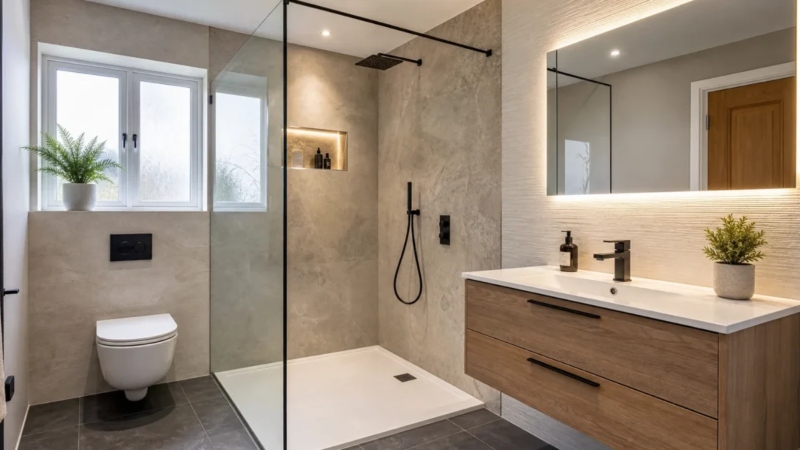
Bathing areas shape daily routines more than almost any other part of the room. A narrow shower, a door that clashes with the vanity, or a bathtub that rarely gets used can make even a generous bathroom feel awkward. Consider how everyone in the household uses the space before deciding what to replace. Where a cramped, difficult-to-clean enclosure is the main complaint, a bathroom remodel with new shower can improve comfort and accessibility without changing the entire floor plan. The size of the opening, placement of controls, and available standing room deserve as much consideration as the appearance.
Material selection also affects how pleasant the shower will be to maintain. Large wall panels can reduce the number of grout joints, while carefully chosen tile offers greater flexibility in color and pattern. Slip-resistant flooring, properly positioned shelving, and accessible controls make the space safer and more convenient. Whatever the design, reliable waterproofing beneath the visible finishes is essential.
Find Storage Where You Least Expect It
A bathroom can have attractive fixtures and still feel messy when toiletries, towels, and cleaning supplies have nowhere to go. Storage planning should begin with an inventory of what actually belongs in the room. Daily essentials need convenient access, while spare products and cleaning equipment can occupy less prominent spaces.
Vanities with deep drawers often provide easier access than cabinets with a single large compartment. Recessed medicine cabinets can add storage without projecting far into the room, and built-in shower niches eliminate the need for hanging organizers. In a compact bathroom, even a few inches of additional storage depth can make a noticeable difference. The goal is to keep frequently used items close without filling every available wall with cabinetry.
Choose Finishes That Handle Real Life
Bathroom materials face frequent moisture, temperature changes, cleaning products, and everyday wear. Their appearance matters, but their maintenance requirements deserve equal attention. A textured floor may offer better traction when wet, although heavily textured surfaces can require more effort to clean. Similarly, intricate tile patterns can look attractive while introducing additional grout lines that need regular care.
Lighting is another feature worth reconsidering. A single ceiling fixture often leaves shadows around the mirror, making grooming unnecessarily difficult. Lighting positioned near face level provides better visibility, while softer overhead illumination makes the room more comfortable. Ventilation should also be part of the plan. An appropriately sized exhaust fan, ducted outdoors, helps remove humid air and reduce the conditions that encourage mold growth.
Don’t Ignore What Is Behind the Walls
A bathroom renovation creates an opportunity to inspect parts of the room that are normally hidden. Aging plumbing connections, damaged subfloors, deteriorated waterproofing, or outdated electrical components may need attention before the new finishes go in. Ignoring these problems because they are not visible can lead to expensive repairs later.
This is particularly important in older homes, where past renovations may have concealed poor workmanship or moisture damage. Before construction begins, discuss what will happen if unexpected conditions are discovered. Clear expectations around inspections, repair approvals, and additional costs can prevent disagreements once the bathroom has been opened up.
Spend More on Function, Less on Passing Trends
A realistic renovation budget should account for labor, materials, demolition, plumbing, electrical work, and finishing details. Set aside a contingency for unexpected repairs, especially when working with an older bathroom. Moving a toilet or shower drain can substantially increase costs, so maintaining the existing plumbing arrangement is often worth considering.
It also helps to distinguish between features that improve daily use and purely decorative upgrades. A dependable shower valve, durable flooring, effective ventilation, and practical storage will generally have a greater impact on everyday comfort than an expensive statement fixture. Decorative details can still give the room personality, but they should not consume money needed for essential work.
A Better Bathroom Should Feel Effortless
Ultimately, a successful renovation is defined by how effortlessly the bathroom functions during daily routines. Small details such as towel racks placed within easy reach, doors that swing freely without obstructions, effective water containment, and low-maintenance surfaces combine to transform the entire feel of the room.
Thoughtful bathroom design centers on the real needs of those who use it. By resolving storage shortages, awkward layouts, moisture issues, and aging fixtures, homeowners can enjoy a refreshed space that offers long-lasting comfort and practical value.
Click here for more details.