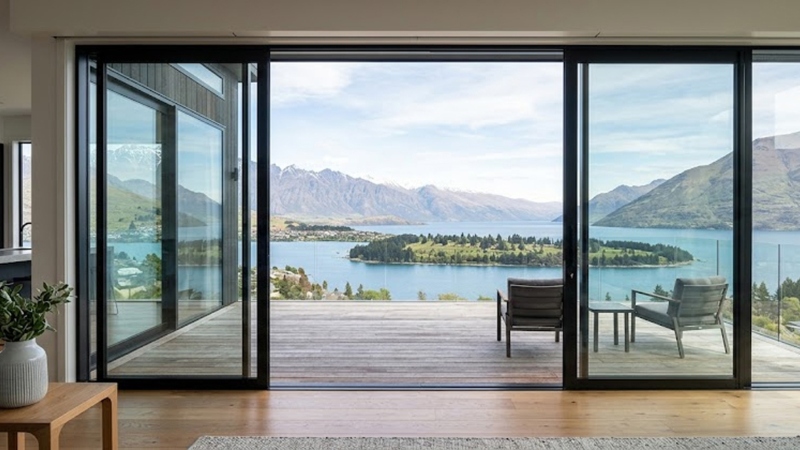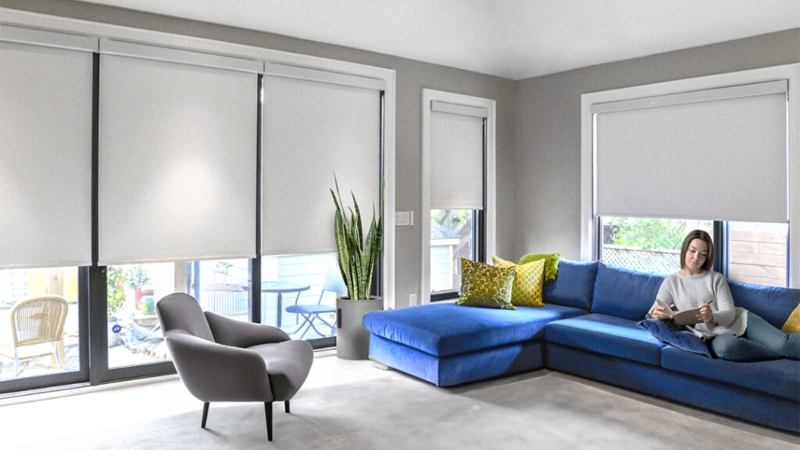
Windows influence how a room looks and feels throughout the day. They bring in natural light, provide outdoor views, and affect indoor temperatures. Unfortunately, they can also introduce excessive heat, glare, and unwanted attention from outside. In rooms that receive harsh afternoon sunlight, choosing suitable roller shade fabrics with glamour decorating blinds & shades of nyc can help control brightness without sacrificing natural light. However, window coverings alone cannot solve every problem. Understanding when to adjust your shades and when to improve the windows themselves can make a noticeable difference in everyday comfort.
Let the Sunshine In Without the Glare
Natural light makes interiors feel open and welcoming, but too much direct sunlight can create problems. Harsh afternoon glare makes television screens difficult to see, causes discomfort while working, and can gradually fade furniture, rugs, and other materials.
Roller shades offer a relatively simple way to manage these conditions. Their streamlined design works with different interior styles, while the choice of fabric determines how much light enters the room.
Light-filtering fabrics soften incoming sunlight without making interiors feel dark. Solar shades reduce glare and allow some visibility outdoors, depending on their openness and color. Blackout materials provide greater darkness, making them useful in bedrooms where early morning sunlight interrupts sleep.
The direction of each window also matters. East-facing rooms receive stronger morning sunlight, while west-facing windows can become particularly uncomfortable late in the afternoon. Sometimes, though, the glass itself contributes to the problem. Replacing poorly insulated windows through The Window Depot can help address unwanted heat transfer, while roller shades provide additional control over glare and privacy throughout the day.
When Window Treatments Aren’t Enough
Although shades can improve privacy and control sunlight, they cannot correct problems caused by aging or poorly installed windows. Drafts, deteriorating seals, condensation between glass panes, and difficult-to-operate frames may indicate that repairs or replacement deserve consideration.
Older windows sometimes allow excessive heat transfer, making rooms uncomfortable despite having suitable coverings. During colder weather, poorly sealed frames can also allow warm indoor air to escape.
Replacement decisions should begin with identifying the actual problem. Damaged weatherstripping may require a relatively minor repair, while deteriorated frames or failed insulated glass units could justify more extensive work.
When replacement becomes necessary, homeowners must consider frame materials, glass performance, and installation quality. The goal is to improve how the window functions as well as how it looks. Choosing suitable replacement windows can improve insulation, reduce unwanted air movement, and restore smooth operation. Combined with effective window coverings, these improvements help create a more comfortable indoor environment.
Get More Comfort From Every Window
Window glass and interior shades perform different functions, but their benefits can complement each other. Understanding that relationship helps homeowners choose improvements that address specific problems rather than relying on a single product to solve everything.
Modern insulated windows can reduce heat transfer through the glass. Certain glazing options also help limit the amount of solar energy entering the home, which can be especially useful in rooms exposed to strong afternoon sunlight.
Roller shades add another level of control. They allow occupants to adjust brightness during the day without permanently blocking the window. Even high-performance glass may benefit from interior coverings when direct sunlight creates uncomfortable glare.
The right combination depends on how each room is used. A home office may benefit from solar shades that reduce reflections on computer screens, while a bedroom might require room-darkening coverings alongside well-insulated windows.
Living areas often need greater flexibility. Light-filtering shades can preserve a pleasant atmosphere during the day, while carefully selected glazing helps maintain consistent indoor temperatures.
Small Installation Details Make a Big Difference
A window improvement can look attractive but perform poorly if measurements or installation details are overlooked.
For roller shades, accurate measurements help ensure proper operation and an appropriate fit. Inside-mounted shades create a neat appearance within the window frame, although small gaps along the edges may allow some light through. Outside-mounted shades can provide greater coverage and may be useful when minimizing those gaps is important.
Fabric selection also deserves attention. Materials suitable for a living room may not be ideal for bathrooms or kitchens, where moisture, cleaning requirements, and proximity to cooking areas influence the choice.
Replacement windows involve different installation concerns. Proper alignment, sealing, and flashing are necessary to limit unwanted air and water intrusion. Even high-quality products can underperform when these details are neglected.
Homeowners should also consider how their window coverings will operate after replacement. Changes to frame depth, trim, or window dimensions may affect existing shade measurements and mounting positions.
Plan Improvements Around Everyday Needs
Before purchasing new windows or shades, spend a few days observing how each room behaves. Notice when sunlight becomes uncomfortable, where privacy feels limited, and whether indoor temperatures change noticeably near certain windows.
These observations help separate problems that coverings can address from those involving the window itself.
A bedroom with excessive morning light might only need a more suitable shade. A living room with damaged frames, recurring drafts, and difficult-to-open windows may require a broader improvement plan.
Budget also plays a role. Homeowners do not necessarily need to replace every window or install new coverings throughout the house at once. Addressing the rooms with the most noticeable problems can make improvements more manageable.
Window comfort comes from balancing daylight, privacy, insulation, and appearance. When each improvement responds to a genuine need, the result is a home that feels more comfortable without sacrificing the natural light and outdoor views that make windows valuable in the first place.
Click here for more details.