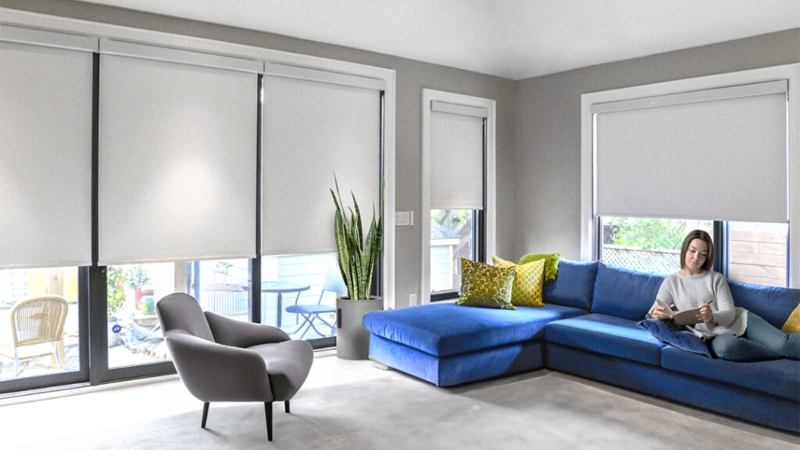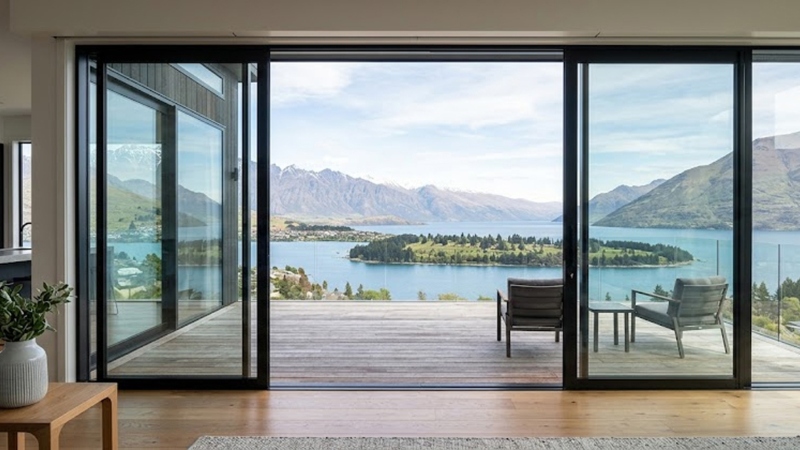
Window openings are not always as uniform as they appear. Older frames may be slightly out of square, surrounding trim can interfere with installation, and certain window styles leave limited room for standard hardware. Even screens made to match unique window sizes must account for these details to fit and operate properly. Similar challenges arise with custom doors, where accurate measurements, material choices, and installation methods can affect both appearance and everyday use.
Measure First, Recommend Second
A successful installation begins with understanding the existing opening. Two windows that appear identical may have different dimensions, mounting surfaces, or operating mechanisms. Even small differences can affect how a screen retracts, how a door closes, or whether the finished installation looks properly aligned.
Accurate measurements also help determine which products are suitable. Casement windows, sliding windows, and traditional double-hung windows can require different mounting arrangements. Door installations bring additional considerations, particularly when dealing with oversized openings or unusual frame configurations. Identifying these details before ordering materials helps prevent delays and unnecessary adjustments.
Contractors should also ask how the space is used. A window opened daily for ventilation presents different requirements from one opened occasionally. Understanding these habits makes it easier to recommend a solution that balances convenience, appearance, and durability.
Explain What Each Option Actually Changes
Homeowners don’t always know the practical differences between available products. Fixed screens remain in position, while retractable versions can be stored away when they aren’t needed. Different mesh materials can affect airflow, visibility, insect protection, and the amount of sunlight entering a room.
These differences should be explained through everyday situations rather than technical terminology alone. Someone who enjoys an unobstructed garden view may prioritize a discreet retractable design. Another homeowner may care more about ventilation during warmer months. Presenting these choices clearly helps customers understand what they are purchasing.
That clarity should extend beyond the initial consultation. A contractor’s website can explain product configurations, illustrate installation differences, and answer questions about customization before an appointment takes place. For installation specialists, improving digital presence for custom door businesses involves making that information easy to find and understand, allowing prospective customers to recognize suitable options and communicate their requirements more accurately.
Make Customization Feel Less Complicated
Customization offers flexibility, but an overwhelming selection of materials, finishes, and operating systems can make decisions harder. A productive consultation narrows those choices according to the property’s existing features and the homeowner’s priorities.
Color matching is one example. A screen housing that complements surrounding trim can make the installation less noticeable. Wood-look finishes may suit traditional interiors, while understated neutral colors often work well with contemporary frames. The final choice should consider the appearance of the entire opening rather than the product in isolation.
Operational preferences deserve equal attention. Manual retractable systems may be appropriate for accessible windows, while motorized options can simplify operation in harder-to-reach locations. The additional convenience should be weighed against installation requirements, maintenance considerations, and overall cost.
Set Expectations Before Installation Begins
A detailed estimate should explain the proposed materials, installation requirements, and any work needed to accommodate the existing opening. Homeowners benefit from knowing whether the project involves custom manufacturing, adjustments to surrounding trim, or additional electrical work for motorized systems.
Installation timelines should also be realistic. Made-to-order components may require production time, and unusual openings can demand additional preparation. Explaining these possibilities early prevents misunderstandings later.
During installation, attention should extend beyond appearance. Screens must move smoothly, tracks should remain properly aligned, and doors should close without interference. Testing the finished system with the homeowner present provides an opportunity to demonstrate operation and address questions immediately.
Garage Door Installation and Repair: Why Quality Work and Customer Reviews Matter
Professional garage door installation companies benefit from documenting their completed projects accurately. Photographs showing custom garage door designs, challenging installations, modern sectional doors, and carefully matched finishes can highlight important details that standard product descriptions often overlook.
For homeowners comparing garage door contractors online, photographs of completed installations can help establish realistic expectations. Whether you’re planning a new garage door installation, considering a replacement, or dealing with an existing door that needs attention, you can Contact Us to discuss your requirements and explore suitable solutions. A well-organized project gallery should also explain the challenges involved and why a particular garage door style or installation method was selected.
Customer feedback plays an equally important role when it reflects genuine experiences with garage door services. Reviews discussing punctuality, communication, installation quality, repair work, and how unexpected problems were resolved are often more helpful than general statements of satisfaction. Reputable garage door companies should present this information accurately, allowing homeowners to make informed decisions without relying on exaggerated claims.
Think Beyond Installation Day
The finished installation should remain practical long after the contractor leaves. Homeowners need to understand basic cleaning procedures, appropriate operating techniques, and when professional attention may be necessary.
Retractable screens, for example, generally benefit from periodic mesh cleaning and careful operation. Keeping tracks free of debris can also help prevent movement problems. Maintenance instructions should reflect the particular product and manufacturer’s recommendations.
Clear aftercare guidance reduces avoidable service requests and gives homeowners greater confidence in their purchase. It also provides installation businesses with useful topics for customer communications and educational website content.
Ultimately, successful custom window and door projects depend on connecting technical decisions with everyday needs. Precise fitting and quality installation remain essential, but customers also need understandable information before, during, and after the work. Contractors who explain their services clearly and deliver results consistent with those explanations make complicated improvements easier to plan, evaluate, and maintain.
Click here for more details.