Two neighbours might report exactly the same issue: their washing machine stopped halfway through a cycle, leaving the tub full of soaking wet clothes. However, the underlying causes could be completely different. This comes down to how each machine is designed.
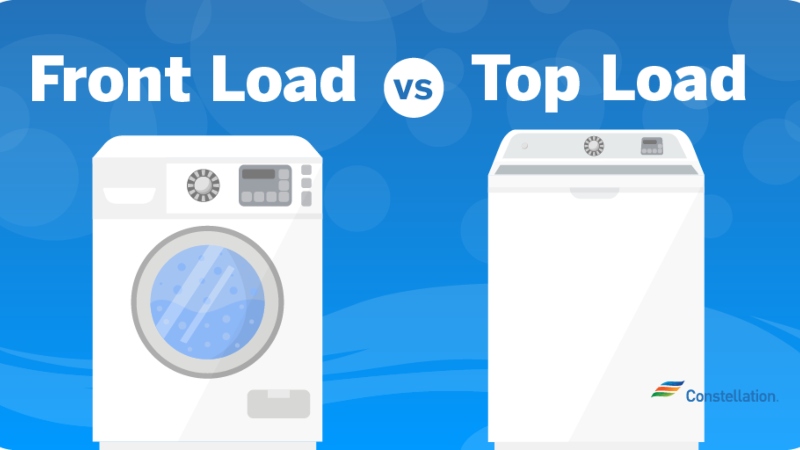
A front-load washer tumbles laundry through a shallow amount of water by lifting and dropping clothes inside a horizontally positioned drum. A top-load washer has a vertically positioned tub and moves laundry using either an agitator or a low-profile impeller. These different designs create different weak points. As a result, advice intended for one type of washer may send you searching for a component that does not even exist in the other model.
Before you start removing hoses, identify your washer type so you know which potential problems to investigate.
When It Will Not Spin
Here is an important fact about spin-related problems: in most cases, the spinning mechanism is not actually damaged.
Modern washing machines are designed to stop spinning when they detect water remaining inside the tub, an unevenly distributed load, or a door that has not registered as locked. These safety features help protect the appliance. Clothes that remain soaked after a cycle often indicate a drainage issue or an unbalanced load instead of a faulty motor.
With a front-loader, pay attention to the door lock. The washer needs confirmation from the locking mechanism before increasing its spinning speed. A worn latch or a sock caught in the door seal can interfere with this signal. If you hear one click, followed by a pause and another click without any further action, inspect the door lock carefully.
In a top-loader, the corresponding component is the lid switch or lid lock. Try pressing down on the lid while the washer attempts to spin. If its behaviour changes, that may help identify the problem.
Beyond these issues, top-loading machines equipped with a belt or drive coupler can develop wear in those components. When this happens, you may hear the motor humming even though the basket barely moves.
When It Will Not Drain
This is where the two washing machine designs differ significantly.
Most front-loaders feature a small access panel near the bottom of the front side. Behind this panel is a round filter that collects objects escaping from pockets. Coins, hair clips, baby socks and bra wires can all become trapped inside.
Homeowners can usually clean this filter themselves if they handle the remaining water carefully. First, unplug the washer, place old towels underneath, position a shallow pan below the opening and slowly turn the filter cap. Even when the machine appears empty, a litre or two of water may still escape. A completely full tub contains considerably more.
If water is still sitting inside the tub, remove it using a container or drain it through the small hose that some models have beside the filter. Do this before opening the filter cap completely.
Many top-loaders do not have this type of filter. Instead, debris travels directly towards the pump. Accessing the pump usually requires removing a cabinet panel or tilting the machine while water remains inside. Some homeowners feel comfortable handling this task, but many prefer not to. Ending up with a flooded basement is not a worthwhile trade-off for saving a few hours.
Both washer types have several external drainage checks in common. Inspect the hose behind the appliance for bends or kinks, especially if someone recently pushed the machine back against the wall.
Also, make sure the drain hose has not been inserted too far into the standpipe, which is the vertical pipe where the washer releases its wastewater. Incorrect positioning can lead to siphoning or backups.
If water rises out of the standpipe while the washer drains, the washing machine might not be responsible. The actual issue could be a blocked household drain, which requires assistance from a plumber.
Error Codes and Mid-Cycle Stops
When a washing machine stops working and displays a flashing error code, it is identifying the system where it encountered a problem. Before attempting anything, write down the code.
Your owner’s manual or the information sheet often stored inside the lower panel can explain what the code means.
Three common causes are worth checking:
Long fill.
The water taps might not be fully open, or sediment may have blocked the small screens where the supply hoses connect.
Too many suds.
Front-loaders operate with very little water. Using regular detergent or adding more detergent than necessary can create excessive foam and interrupt the cycle. High-efficiency detergent is important for any washing machine designed to use it.
Unbalanced load.
The washer may attempt several times to distribute the clothes evenly before eventually stopping the cycle.
Disconnecting the washing machine from its power supply for a few minutes may sometimes reset a confused control system. However, if the same error code appears during the next wash, the underlying problem is still present. The reset has only temporarily concealed it.
The Balance Problem
Load balance deserves special attention because homeowners sometimes blame the washing machine when their laundry habits are actually causing the problem.
Washing a single bath mat can create a more difficult load than washing twelve towels. A large comforter can also cause trouble when the machine is slightly too small to handle it. As the bulky item absorbs water, its weight pulls the entire drum towards one side.
If you are loading the washer correctly but it continues banging, inspect its feet.
Place a level across the top of the appliance, checking both front-to-back and side-to-side positions. Adjust the legs as necessary, then tighten their locking nuts to prevent them from moving.
Front-loaders spin at high speeds and can transfer considerable force through the floor. A flexible wooden floor will make this movement much more noticeable than a solid basement concrete slab.
Anti-vibration pads can provide some improvement, but they cannot solve the problem when the washing machine sits on an unstable or soft floor.
A newly installed front-loader that shakes aggressively and moves across the room requires one particular inspection. Heavy transit bolts are fitted to secure the drum during transportation. If installers forget to remove them, they can damage the washing machine.
For an older top-loader, excessive tub movement and knocking against the cabinet often indicate worn suspension rods. Older front-loaders use shock absorbers for a similar purpose. These components gradually lose their effectiveness, so the problem may remain unnoticed until the banging becomes obvious.
Fixing It or Letting It Go
Many washing machine problems are relatively minor. Replacing a door lock, lid switch, drain pump, belt, inlet valve or set of shock absorbers is generally worthwhile when the appliance still has several years of useful life remaining. Booking washing machine repair for these issues is usually a straightforward decision.
More serious problems often announce themselves through loud noises.
In a front-loader, a sound that gradually becomes similar to a jet engine during the spin cycle usually indicates damaged drum bearings. Many models have bearings sealed inside the tub, which can turn what seems like a small component failure into a major repair. For an older machine, replacement may be the more sensible option.
A cracked support bracket behind the drum can indicate a similar level of trouble.
In top-loading machines, a failed transmission can lead to the same replacement decision.
If you have checked the obvious causes but still cannot determine which category your washing machine problem belongs to, the next step is to arrange a proper diagnosis.
For homeowners considering appliance repair in St. Catharines, having the model number, error code and a clear explanation of when the washer stops during its cycle can be helpful. These three details can quickly narrow down the possible causes.
There is one final habit that can help prevent problems with either washing machine design: always empty your pockets before starting a wash. Doing this every time can prevent many of the pump and filter issues that eventually require a technician’s attention.
Click here for more details.