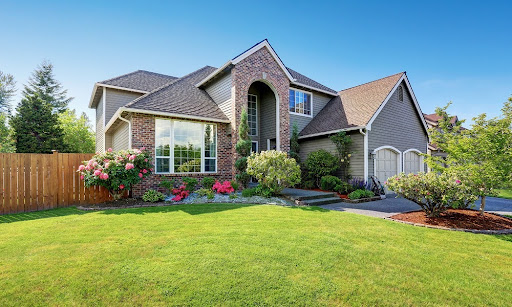
On many homes, the garage door takes up a third or more of the front of the house. That makes it one of the most visible design choices you’ll ever make, and one you’ll live with for a long time.
It’s also a practical purchase. The right door can make your garage quieter, more comfortable, and more secure while reducing strain on your opener. The wrong one can warp, dent, or let the weather in. If you’re unsure which option suits your home, it’s worth consulting a garage door specialist. You can Contact Us for professional guidance on choosing the right material, style, and features.
With so many materials, styles, and options available today, the choice can feel overwhelming. Here’s a straightforward guide to what matters most.
Start With the Material
Material drives most of a door’s look, cost, durability and upkeep. Here’s how the common options compare:
| Material | Strengths | Trade-offs | Best for |
| Steel | Affordable, strong, low upkeep; wide range of styles and wood-look finishes | Can dent; bare spots can rust in wet or salty climates | Most homes and most budgets |
| Wood | Rich, natural look; fully custom designs | Highest upkeep: needs regular sealing or painting; heavy | Historic and high-end homes |
| Composite / faux wood | Wood look with less maintenance; resists rot and dents | Costs more than steel | Homeowners who want wood style without the upkeep |
| Aluminum and glass | Sleek, modern look; lets in lots of light | Less insulation; glass shows fingerprints and needs privacy planning | Modern homes, workshops, indoor-outdoor spaces |
| Fiberglass | Light, resists rust and salt air | Can fade or crack in extreme cold or impact | Coastal homes |
For most homeowners, insulated steel is the sweet spot: durable, affordable and available in nearly any style. If you want the warmth of wood, composite is often worth the step up.
Insulation: More Than a Number
Insulation matters if your garage is attached to the house, sits under a bedroom, or doubles as a gym, workshop or storage space for things that don’t like extreme temperatures.
Doors come in three basic builds:
- Single-layer: a single steel skin with no insulation. Cheapest, but noisy and offers little protection from heat or cold.
- Double-layer: steel with a layer of insulation behind it. A solid middle ground.
- Triple-layer: insulation sandwiched between two steel skins. The sturdiest, quietest and most energy-efficient option.
You’ll see insulation listed as an R-value; the higher the number, the better the door resists heat transfer. In colder climates, many homeowners look for doors in the R-12 to R-18 range. But R-value isn’t the whole story. Polyurethane foam usually insulates better than polystyrene at the same thickness, and it also adds rigidity. Good weatherstripping around the door matters just as much, because gaps let in air no matter how well the panels are insulated.
Match the Style to Your Home
The best garage doors look like they were designed with the house, not added later. A few broad pairings work well:
- Traditional raised-panel doors suit colonials, ranches and most suburban homes.
- Carriage-house doors, with their barn-door look and decorative hardware, suit farmhouses, craftsman homes and older properties.
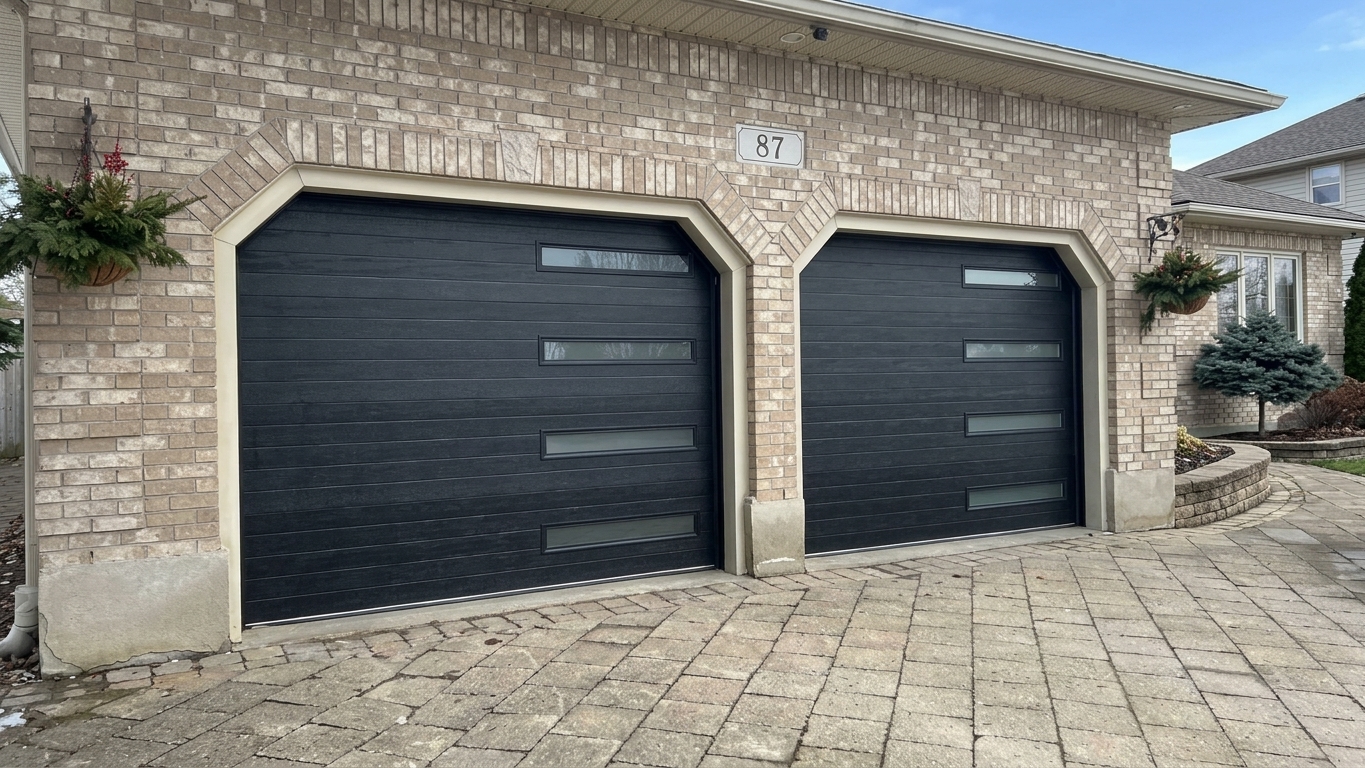
- Flush or contemporary doors, with smooth panels or slim horizontal lines, suit modern and mid-century homes.
- Full-view glass doors make a bold statement on modern homes and work well for workshops or entertaining spaces.
Color. Matching the door to your trim creates a clean, cohesive look. Matching it to your siding helps a large door blend in. A bold color or a wood-tone finish turns it into a focal point. If you’re unsure, look at your front door, shutters and trim for cues.
Windows. A row of windows along the top section adds natural light and character while keeping privacy. Frosted or textured glass gives you the light without letting passersby see inside.
Before you decide, ask for a photo preview. Many manufacturers offer online tools that let you see different doors on a photo of your own home.
Don’t Overlook What’s Behind the Door
The parts you don’t see matter as much as the panels you do.
Springs and hardware. Ask whether the door comes with standard or high-cycle springs. High-cycle springs cost a little more but last much longer, especially on a door that opens many times a day. Nylon rollers and new tracks help a new door run quietly.
The opener. A heavier insulated door may need a stronger opener than the one you have. If your opener is more than 10 years old, replacing it along with the door is often worth it. Belt drives run quietly, and battery backup and smartphone control are now common features.
Questions to ask before you buy:
- Is the quote for the door only, or does it include removal of the old door, new tracks, springs and hardware?
- What’s the warranty on the panels, the springs and the labor?
- What insulation type and R-value does this door have?
- Will the existing opener handle the new door’s weight?
- Can I see samples or similar doors in person before I order?
Most importantly, choose an installer who measures carefully. A new door is only as good as its fit, its balance and the way it’s installed.
About the Author
This article was written by the team at Grand River Garage Door, a family-owned garage door company based in Lansing, Michigan. With more than 35 years of experience, the team installs, repairs and replaces residential and commercial garage doors and openers across Mid-Michigan, and helps homeowners compare door styles in person at its showroom.
Click here for more details.