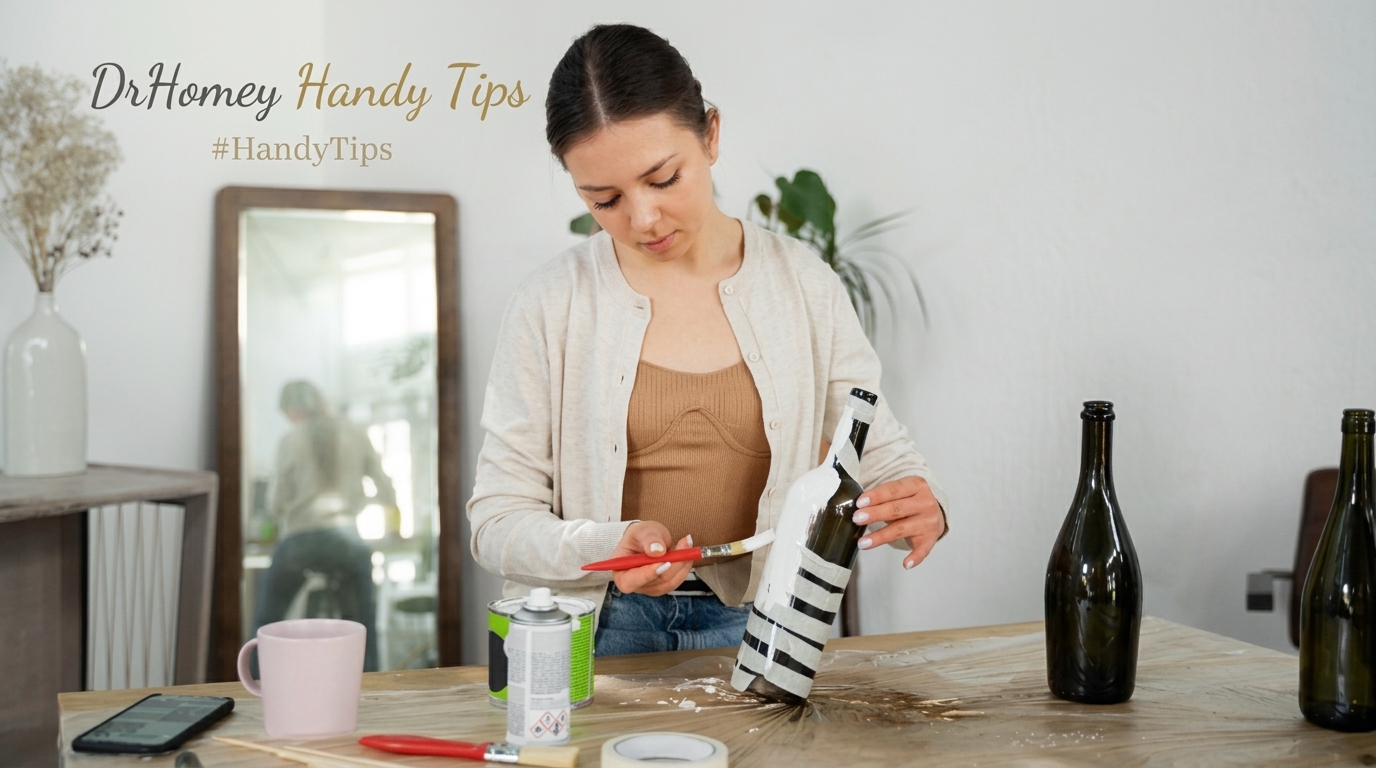
DrHomey handy tips are small, repeatable home maintenance actions — weekly checks, fast repairs, and seasonal tasks — that stop minor problems from turning into expensive damage. The core routine is a 15-minute weekly walk-through, a monthly systems check, and a seasonal checklist that follows the weather.
That is the whole system. Everything below expands it, groups the tasks by how often they are due, and marks clearly where a job stops being a good DIY idea.
Quick Reference Table
|
Task |
How often | DIY or pro | Why it matters |
| Check under sinks and visible pipes for drips | Weekly | DIY |
Cheapest place to catch a leak before it rots a cabinet |
|
Tighten cabinet hinges, door handles, outlet covers |
Weekly | DIY | Loose hardware spreads wear and strips screw holes |
| Change HVAC filter | Every 60–90 days | DIY |
Restricts airflow and strains the system when clogged |
|
Clear dryer vent and lint trap |
Monthly | DIY | Lint buildup is a fire risk and slows drying |
| Water meter leak test (two hours, no water use) | Monthly | DIY |
Finds hidden leaks behind walls or under floors |
|
Test smoke and CO detectors |
Monthly | DIY | Detectors fail silently; the test button is the check |
| Clear gutters and downspouts | Seasonal | DIY on a single story |
Overflow causes fascia rot and ice dams |
|
Inspect roof and chimney |
Seasonal | Pro above ladder height | Falls are the real hazard, not the inspection |
| Electrical work beyond swapping a fixture | As needed | Pro |
Fire and code risk; permits may be required |
|
Gas appliance work of any kind |
As needed | Pro | Life-safety; no exceptions |
| Inspect washer supply hoses; replace when brittle | Yearly check | DIY |
Burst hoses are a leading cause of indoor flooding |
|
Vacuum refrigerator condenser coils |
Yearly | DIY |
Dust can cause the compressor to work harder and operate at higher temperatures. |
What DrHomey Handy Tips Actually Cover
This guide sticks to five things: routine maintenance, small repairs, cleaning and organization, safety, and low-cost upgrades. It does not cover structural work, major renovations, or anything involving gas lines, because those belong with licensed professionals. Knowing the boundary is part of the value — a guide that claims to cover everything usually helps with nothing.
Who these tips are for
Homeowners who want to reduce surprise repair bills. DIY beginners who own a screwdriver and want to learn one skill at a time. Renters who need improvements they can undo before move-out. Families who want a household that runs on routine instead of emergencies.
The three-cadence system
Every tip in this article falls into one of three buckets. Weekly: inspections and small tighten-ups that take minutes. Monthly: systems that affect safety, water, and airflow. Seasonal: weather-driven tasks where timing changes the outcome.
The point of separating them is that a long undifferentiated checklist gets ignored. A short weekly loop actually gets done.
The 15-Minute Weekly Walk-Through
Follow the same sequence each time to make sure you don’t overlook any routine steps.
- Open the cabinet under each sink. Look and feel along the pipes and around the trap.
- Check the supply lines behind the toilet and washing machine for dampness or corrosion.
- Tighten any cabinet hinge, drawer pull, or door handle that moves.
- Press on door and window weatherstripping; replace any section that has gone flat or cracked.
- Check that outlet and switch cover plates are snug.
- Turn off every water fixture and read the meter. Check it again two hours later.
Step six is the one people skip and the one that finds the expensive problems. If the meter moves with nothing running, you have a leak somewhere.
What you need before you start
A starter toolkit handles nearly everything in this article:
- Interchangeable screwdriver set with flathead and Phillips bits
- Adjustable wrench and a pair of pliers
- Tape measure and a small level
- Claw hammer, plus a few nails and screws in common sizes
- Flashlight or headlamp
- Plumber’s tape, silicone caulk, and a caulking gun
- Non-contact voltage tester
- Microfiber cloths and white vinegar
That list covers inspection, tightening, minor sealing, and safe electrical checks. Anything not on it is usually a sign you are heading toward a job that needs a professional.
Using a home log to spot patterns
Write the date of each check in a notebook or note on your phone. A single drip is an annoyance. The same drip recorded three weeks running is a fitting that is failing on a schedule. Patterns tell you what to replace before it breaks, which is the entire point of maintenance.
Fast Fixes for Common Household Problems
Each fix below includes a stop condition — the point where you should put the tool down and call someone. Most guides list repairs without that line, which is how small jobs become expensive ones.
Plumbing: drips, running toilets, and slow drains
A dripping faucet is usually a worn washer or cartridge; shut off the supply, take the handle apart, and match the part you remove. A toilet that runs constantly is often a flapper that no longer seals, which you can check by adding a few drops of food coloring to the tank and watching the bowl. A slow drain usually clears with a plunger or a drain snake.
Stop condition: if water appears behind a wall, under flooring, or at a joint you cannot reach, call a plumber. Chasing a hidden leak by opening drywall yourself usually costs more than the repair.
Electrical Safety: What You Can Safely Do at Home and What You Should Never Attempt
Replacing a light bulb, a faceplate, or a bulb-style fixture is reasonable for a careful beginner — with the breaker off and confirmed with a voltage tester. Replacing an outlet, a switch, or a circuit breaker, or adding a new circuit, is not.
Stop condition: anything involving the panel, aluminum wiring, burnt-smelling outlets, repeated breaker trips, or ungrounded circuits. These are fire risks and often need a permit.
Appliances: maintenance that actually extends lifespan
Clear the lint filter after each load and clean the dryer vent once a month. Vacuum refrigerator condenser coils once a year. Leave a few inches of clearance behind the fridge. Run a cleaning cycle or a vinegar-and-hot-water cycle on the washing machine periodically if the manual recommends it.
Stop condition: a gas appliance that smells, clicks without lighting, or produces unusual exhaust. Do not open the sealed burner assembly.
Doors, floors, and walls
Squeaky hinges get a drop of household oil. Squeaky floors usually come from a loose nail or a gap between subfloor and joist — driving a screw from below, if you can reach, solves most of them. Sticking doors often just need the hinge screws tightened or the strike plate adjusted. Nail holes and scuffs get a small paint touch-up kit, kept on hand so you actually use it.
Cleaning and Organization Tips That Save Time
Homemade cleaners that are actually safe
Vinegar and water handle glass, most countertops, and light mineral buildup. Baking soda provides a mild abrasive action that works well for cleaning sinks and tubs. Two safety rules matter more than any recipe.
Never mix bleach with vinegar or with ammonia. The first produces chlorine gas, the second produces chloramine vapors. Both are genuinely dangerous in a closed bathroom.
Check your surface before using anything acidic. Vinegar and lemon will etch natural stone such as marble, travertine, and limestone, and they dull some sealed finishes. Use a pH-neutral cleaner there instead.
The daily reset versus the weekly deep clean
A ten-minute daily reset — dishes, counters, one surface — keeps a home from ever reaching the point of a full-day cleanup. The weekly clean then handles floors, bathrooms, and bedding. Homes that feel permanently messy usually do not need more cleaning; they need a shorter daily loop that actually gets done.
Storage that works in small rooms
Use vertical space before buying containers. Add a tension rod under a sink for spray bottles. Use the back of cabinet doors for lids and cutting boards. Keep like items in one zone rather than spreading them by room. The best storage system is the one you will maintain, not the one that photographs well.
Seasonal Home Maintenance Checklist
|
Season |
Key tasks |
Why timing matters |
|
Spring |
Clear gutters and downspouts; inspect the roof from the ground; service the air conditioning; check exterior caulk and paint | Catching winter damage before the rainy season prevents water intrusion |
| Summer | Inspect and clean the dryer duct; check the attic for heat or moisture; trim branches touching the roof; test outdoor outlets |
Heat stress and limb contact cause problems that surface in fall storms |
|
Fall |
Clear gutters again; insulate exposed pipes; drain and store outdoor hoses; service the heating system; replace detector batteries | Freeze protection only works if it is done before the first frost |
| Winter | Watch for ice dams; keep vents clear of snow; check for drafts; run faucets during hard freezes |
Ice dams and frozen pipes cause the most expensive cold-weather damage |
Spring and summer priorities
The two tasks that matter most are water management and cooling. Gutters and downspouts direct water away from the foundation, and air conditioning service before peak heat prevents a breakdown on the hottest week of the year. Everything else on the seasonal list is secondary to those.
Fall and winter priorities
Get ahead of freezing. Insulate or heat-tape exposed pipes in unheated spaces, disconnect and drain outdoor hoses, and know where your main shut-off valve is before you need it. Ice dams form when attic heat melts snow that refreezes at the eaves — proper insulation and ventilation are the fix, not a roof rake applied after the fact.
Renter-Safe Home Tips
Upgrades you can undo in ten minutes
Swap cabinet and drawer hardware, keeping the originals in a labeled bag. Use tension rods instead of drilling for curtains. Replace switch plates and outlet covers. Add removable adhesive hooks within the manufacturer’s weight limits. Use freestanding shelving rather than wall-mounted units. Every one of these reverses completely before move-out.
Fix it yourself or report it: the renter’s rule of thumb
Small cosmetic issues and tightening are usually fine to handle. Anything involving plumbing, electrical systems, appliances the landlord owns, heating, or the structure should be reported in writing rather than repaired.
The reason is liability, not laziness. If you attempt a repair on a landlord’s appliance and it fails further, the cost can shift to you or to your deposit. Report it, keep the message, and let the owner decide.
DIY or Call a Pro? A Decision Framework
Use this table to classify any home task in about five seconds.
|
Situation |
Safe to DIY? | Call a pro when |
Risk if done wrong |
|
Tightening, sealing, cleaning, replacing a bulb or filter |
Yes | Never — these are maintenance, not repair | Minimal |
| Swapping a faucet, flapper, or showerhead on an accessible line | Usually yes | You cannot reach the shut-off, or joints keep leaking |
Water damage behind cabinets |
|
Drywall patching, painting, caulking |
Yes | Moisture is present, or the area keeps recurring | Trapped damp leads to mold |
|
Replacing an outlet, switch, or fixture wiring |
No | Always, unless you are qualified |
Fire and shock; permit issues |
| Anything involving a gas appliance or line | No | Always |
Life-safety risk |
|
Roof work above ladder height |
No | Always | Falls are the leading serious-injury risk |
| Structural changes, wall removal, or foundation work | No | Always |
Structural failure and permit violations |
The filter behind it: if the job involves gas, mains wiring beyond a fixture, water you cannot see, height above a ladder, or a permit, it is a professional job. If it involves tightening, cleaning, sealing, or replacing a part you can see and reach, it is probably yours.
Common Mistakes That Cost Homeowners Money
Over-tightening plumbing fittings. A quarter turn past snug is usually enough. Over-tightening cracks plastic fittings and deforms washers, creating the leak you were trying to stop.
Using the wrong cleaner on a finished surface. Acidic cleaners on natural stone etch it permanently. Abrasive powders scratch glass and acrylic.
Ignoring a small leak. Slow leaks rot framing, feed mold, and quietly raise a water bill. The visible drip is rarely the expensive part.
Painting over damp drywall. You seal the moisture in and the stain returns within a season. Find the source first.
Skipping the water meter test. It is the only free way to find a leak you cannot see, and almost nobody does it.
DIY electrical beyond the basics. The work may appear fine and still fail inspection, or fail at 2 a.m. There is no cosmetic version of a fire risk.
Budget-Friendly Upgrades With Real Payback
These are ordered by effort, cheapest and easiest first:
- Weatherstripping and door sweeps. Drafts are felt immediately and sealed for very little cost.
- LED bulb replacement. Same light, lower running cost, longer life.
- Low-flow aerators and showerheads. Reduced water use with no real change in feel.
- Programmable or smart thermostat. Pays back through consistent scheduling rather than manual adjustment.
- Attic insulation and air sealing. Higher effort, but the largest comfort and efficiency effect on the list.
Skip anything that requires moving plumbing or wiring for the sake of an upgrade. In a rental, skip anything permanent.
Home Safety Essentials
Treat safety as a maintenance category, not a one-time install. Test smoke and carbon monoxide detectors monthly using the test button, and replace batteries annually even if the detector seems fine. Place a detector on every level of the home and outside sleeping areas.
Add a water leak sensor near the washing machine, water heater, and under the kitchen sink — those are the three most common flood sources. Anchor tall furniture to the wall in homes with children. Add anti-slip strips to stairs and tubs. Keep a working flashlight where you can find it in the dark, and know where the main water and gas shut-offs are.
Frequently Asked Questions
What are DrHomey handy tips?
They are practical, low-cost home maintenance actions: a short weekly inspection loop, monthly checks on water and airflow systems, and seasonal tasks timed to the weather. The goal is catching small issues early so they never become major repairs.
How often should I do home maintenance checks?
Weekly for inspections and tighten-ups, which take about fifteen minutes. Monthly for detectors, dryer vents, and the water meter test. Seasonally for gutters, roof checks, heating and cooling service, and freeze preparation.
Which home repairs should I never DIY?
Never handle gas appliances or lines, mains electrical work beyond swapping a fixture, roof work above ladder height, or structural changes. These carry fire, fall, or life-safety risk and often require permits and licensed trades.
What home maintenance should renters do?
Renters can safely tighten hardware, replace filters where accessible, clean vents, and handle small cosmetic fixes. Report anything involving plumbing, electrical systems, heating, appliances the landlord owns, or the structure in writing instead of repairing it yourself.
What is the most affordable home improvement that can make the biggest difference?
Weatherstripping and door sweeps. They cost little, take minutes to install, and immediately reduce drafts, improving comfort and reducing heating and cooling load.
How do I find a hidden water leak?
Turn off every fixture, read your water meter, wait two hours without using water, then read it again. Any movement means a leak somewhere in the system. From there, check the toilet flapper first, since it is the most common and cheapest culprit.
Is it worth changing my own HVAC filter, or should I call someone?
Change the filter yourself — it is one of the easiest maintenance tasks and it matters for both airflow and system life. Call a professional for annual service, refrigerant work, or any unit problems.
What tools should a beginner homeowner buy first?
A screwdriver set, adjustable wrench, pliers, tape measure, hammer, and flashlight. Add a voltage tester, silicone caulk, and plumber’s tape as your first repairs come up. Those cover most of what this guide describes.
Practical Takeaways
Tonight: run the water meter test and locate your main shut-off valve. This weekend: work through the 15-minute weekly walk-through once. This season: put the seasonal checklist somewhere you will see it and clear the gutters before the weather turns.
Everything else in this guide is a variation on those habits. The difference between a home that stays in good shape and one that generates expensive surprises is rarely skill — it is a short routine that actually gets repeated. Start with the walk-through. It takes fifteen minutes, costs nothing, and catches the problems that cost the most.
Click here for more details.