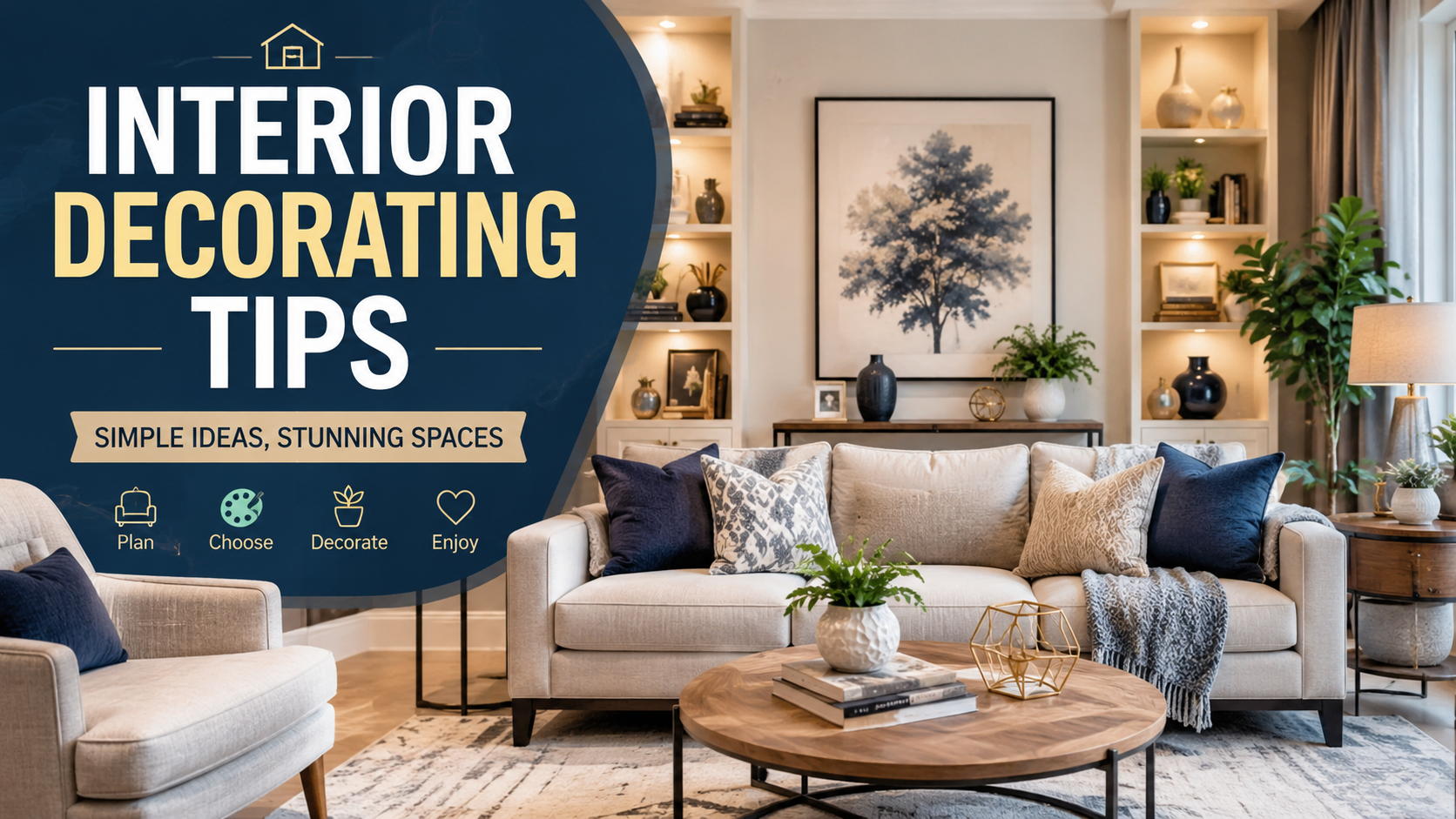
The best interior decorating tips are simple: choose a clear color palette, improve lighting, arrange furniture for flow, layer texture, and edit clutter. When these five essentials come together, any room feels more polished, inviting, and thoughtfully designed.
A beautiful home rarely comes from buying more stuff. It usually comes from making smarter choices with layout, color, scale, storage, and texture.
If you want quick wins, start here:
- pick one main color direction
- use at least three light sources
- choose the right rug size
- leave room to walk
- mix soft and hard textures
- add decor slowly, not all at once
That’s the difference between random decorating and a home that actually feels finished.
Quick Summary: Best Interior Decorating Tips at a Glance
|
Decorating challenge |
Best fix |
Why it works |
|
Room feels flat |
Layer lighting and texture |
Adds warmth and depth |
|
Space feels cramped |
Clear the floor and use vertical storage |
Improves flow and openness |
|
Living room feels awkward |
Create a conversation layout |
Makes the room feel inviting |
|
Bedroom feels busy |
Limit colors and simplify surfaces |
Creates a calmer mood |
|
Apartment feels generic |
Use renter-friendly upgrades |
Adds personality without major renovation |
|
Decor feels expensive to redo |
Swap textiles and styling seasonally |
Refreshes the room for less |
Interior Decorating Tips That Instantly Improve Any Room
The fastest way to decorate well is to focus on the bones of the room first. The best bedroom decorating ideas create a space that feels calm, gentle, and conducive to relaxation.
Start with function before buying decor
Ask one question first: How do you want the room to work?
A living room may need to host guests, movie nights, reading, or kids. A bedroom may need better storage, softer lighting, or less visual noise. When function is clear, decorating gets easier.
A lot of beginners do the opposite. They buy wall art, pillows, and trendy decor first. Then the room still feels off because the layout never worked.
Choose a simple color scheme for home interiors
Most beautiful rooms use a tight, repeatable palette. That does not mean boring. It means intentional.
A simple formula works well:
- 60% main color
- 30% secondary color
- 10% accent color
Neutrals make this easy. Think warm white, greige, taupe, olive, charcoal, muted blue, terracotta, or soft black. If you want a room to feel cohesive, repeat the same tones in rugs, textiles, art, and accessories.
Use layered lighting instead of one overhead fixture
One ceiling light is rarely enough. Rooms feel better when light comes from different heights.
Aim for:
- overhead lighting
- table lamps
- floor lamps
- sconces or accent lighting
Designers often recommend multiple sources of light to create mood, contrast, and comfort, especially in living spaces . Google also continues to reward content that solves the full user need clearly, which is why practical, step-based decorating advice tends to perform better than vague inspiration alone .
Create better flow with smart furniture arrangement tips
A room should feel easy to move through. If you have to sidestep tables or squeeze past chairs, the layout needs work.
Use these furniture arrangement tips:
- keep walking paths clear
- don’t block windows
- face seating toward conversation, not only the TV
- pull furniture slightly off the walls when possible
- leave breathing room between pieces
In small rooms, pressing every item against the wall can actually make the space feel tighter. Giving furniture some air often looks more intentional .
Mix textures to add depth
If your room feels bland, the issue may not be color. It may be texture.
Layer:
- linen
- velvet
- wood
- ceramic
- metal
- boucle
- woven baskets
- jute
- glass
Texture is what makes modern home decor feel warm instead of sterile. It also makes minimalist interior design feel lived-in.
Interior Decorating Tips for Living Room Decorating Ideas That Feel Designer-Styled
Your living room helps define the overall atmosphere of your home.
It should feel welcoming, balanced, and easy to use.
Anchor the room with the right rug size
One of the most common decorating mistakes is using a rug that’s too small.
A good rug should usually let at least the front legs of major furniture sit on it. Better still, most of the furniture should connect to it visually.Interior designers often point out that a rug that is too small can make a space seem more cramped and less cohesive.
Create a conversation layout
The best living room design ideas begin with seating that encourages people to relax and linger.
Try this:
- place the sofa as the anchor
- add one or two chairs facing inward
- center around a rug or coffee table
- keep side tables within reach
- leave enough space to walk comfortably
A conversation-focused layout feels warmer than lining everything up against the walls. Cozy living room design often starts with arrangement, not accessories .
Add cozy home decor with textiles and wood
If you want cozy home decor, layer softness into the room:
- throw blankets
- textured pillows
- curtains
- a natural fiber rug
- wood accents
- plants
Designers frequently use velvet, linen, faux fur, natural wood, greenery, and layered rugs to make living rooms feel more intimate and comfortable .
Use wall decor ideas without overcrowding the room
Good wall decor ideas do not need to cover every inch.
Try:
- one oversized artwork
- a mirror above a console
- a tight gallery wall
- framed textiles
- sculptural sconces
- floating shelves with edited styling
A single bold piece often works better than many small ones. That keeps the room from feeling noisy.
Bedroom Decorating Ideas for a Calm, Restful Space
The best bedroom decorating ideas create a space that feels calm, gentle, and conducive to relaxation.
Keep the palette soft and cohesive
Bedrooms do best with less visual tension. Select two or three dominant tones and use them consistently throughout.
Good options include:
- warm white and camel
- sage and cream
- dusty blue and taupe
- charcoal and beige
- blush and walnut
A cohesive palette is especially helpful in smaller bedrooms because it keeps the eye moving smoothly across the room.
Layer bedding like a stylist
A bed should look inviting, not overstuffed.
Use:
- crisp sheets
- a quilt or coverlet
- a duvet
- 2 sleeping pillows
- 1 to 3 decorative pillows
- a throw at the foot of the bed
That’s enough to feel polished without creating clutter.
Add lighting at multiple heights
Bedrooms need softer lighting than living rooms. Use bedside lamps, sconces, or pendants to create a more restful mood.
In small spaces, wall-mounted lighting can free up the nightstand and keep surfaces clearer .
Choose bedroom decor that reduces visual clutter
A restful room is often an edited room.
Keep surfaces light:
- one tray on the dresser
- one piece of art above the bed
- one plant or candle on the nightstand
- hidden storage for extras
The goal is not emptiness. It is calm.
Small Space Decorating Tips for Apartments and Compact Homes
Good small space decorating tips can make a tiny room feel bigger without stripping away personality.
Keep the floor clear
The more floor you can see, the more open the room feels.
Floating shelves, wall-mounted nightstands, and sconces help clear visual weight off the ground. That’s one reason they’re so effective in apartments and compact bedrooms .
Use mirrors and vertical storage
Mirrors reflect light and visually expand a room. Vertical storage draws the eye upward.
Use:
- tall bookshelves
- floating shelves
- full-length mirrors
- curtain panels hung high and wide
- storage over desks, beds, and entry benches
Large mirrors and vertical styling are widely recommended for making rooms feel brighter and bigger .
Choose furniture that earns its place
In a small home, every piece should do something useful.
Look for:
- storage ottomans
- nesting tables
- benches with hidden storage
- beds with drawers
- fold-down desks
- extendable dining tables
Multi-use furniture is one of the smartest decorating ideas for apartments, especially when square footage is limited .
Decorate small rooms without making them feel cramped
Use these simple rules:
- avoid too many tiny items
- choose fewer, better pieces
- keep the palette cohesive
- use low-profile furniture
- add one larger statement piece instead of many fillers
Even in compact spaces, scale matters. Slightly smaller furniture can help, but going too tiny everywhere can make a room feel awkward rather than spacious .
Budget-Friendly Home Decor and DIY Home Decor Ideas
You do not need a full renovation for a visible upgrade. Some of the best budget-friendly home decor changes cost very little.
Make affordable swaps with big visual impact
Start with:
- lampshades
- cabinet hardware
- throw pillow covers
- curtains
- mirrors
- peel-and-stick upgrades
- thrifted side tables
- secondhand art frames
These changes are small, but they shift the mood of the room fast.
Try renter-friendly upgrades
Some of the smartest DIY home decor ideas are ideal for renters:
- washi tape accent walls
- framed wallpaper samples
- removable contact paper
- swapped light fixtures
- upgraded doorknobs
- decorative plug-in sconces
HGTV highlights low-cost apartment updates like washi tape walls, framed wallpaper samples, hardware swaps, and contact paper as practical, style-first fixes .
Repurpose what you already own
Before buying anything, shop your own home.
Try moving:
- a lamp from the bedroom to the entry
- a stool into the bathroom
- art from the hallway to the living room
- dining chairs into a home office
- books into styled stacks
A small move can make a room feel new.
Spend on a few anchor pieces, save on accessories
If your budget is limited, invest in:
- sofa
- mattress
- rug
- dining chairs you use daily
- window treatments
Save on:
- trend pieces
- vases
- trays
- small decor
- seasonal accents
That’s how you build a home that looks layered over time, not rushed.
Modern Home Decor vs. Minimalist Interior Design
These styles overlap, but they are not identical.
What modern home decor really means
Modern home decor usually leans clean, simple, and current. It favors strong shapes, calm palettes, and edited accessories.
Think:
- clean-lined furniture
- mixed materials
- sculptural lighting
- neutral bases
- bold accents used sparingly
How minimalist interior design stays warm, not cold
Minimalist interior design is about restraint, not emptiness.
To keep it warm:
- use natural wood
- add soft textiles
- bring in greenery
- choose tactile finishes
- keep decor meaningful, not excessive
Minimalism works best when it feels intentional and comfortable, not stark.
How to blend both styles at home
A practical formula:
- minimalist layout
- modern lighting
- warm neutral color palette
- one or two statement pieces
- layered texture
This mix feels current and easy to live with.
Seasonal Home Decorating Without Redoing the Whole House
Seasonal home decorating should be light, not overwhelming.
Switch textiles, scent, and greenery
Easy seasonal updates include:
- pillow covers
- throws
- candles
- branches
- fresh flowers
- lighter or darker table linens
- seasonal fruit in bowls
This changes the atmosphere without changing the whole room.
Update entryways, coffee tables, and beds
You do not need to style every corner.
Focus on:
- entry console
- coffee table
- mantel
- dining table
- bed layers
Small styling zones create enough visual change.
Keep your base decor timeless
The smarter your base is, the easier seasonal swaps become.
Use timeless staples for:
- sofa
- rug
- bed
- dining table
- large art
- paint color
Then rotate the accents.
Decorating Mistakes to Avoid
The quickest home makeover often comes from stopping the wrong habits.
Using rugs that are too small
A tiny rug breaks up the room visually. Go bigger than you think.
Pushing all furniture against the walls
This can flatten the room and hurt conversation flow. Even a few inches of breathing room helps .
Relying on one light source
One overhead fixture makes a room feel harsh. Layered light feels more relaxed and useful .
Buying everything at once
Homes with character are usually built slowly. Give the room time to evolve.
Choosing decor before solving storage and function
If storage is broken, styling will not save the room. Fix the function first.
Ignoring cohesion
A room can include different styles, but it still needs a visual thread. That thread might be color, wood tone, shape, or mood.
Room-by-Room Decorating Checklist
Living Room
- choose a correctly sized rug
- create a conversation layout
- add at least three light sources
- include texture through textiles and wood
- keep tabletops edited
Bedroom
- use a soft color palette
- layer bedding
- keep surfaces calm
- add bedside lighting
- include hidden storage
Small Apartment
- use mirrors
- hang curtains high
- add vertical storage
- pick multifunctional furniture
- keep the floor visible
Entryway
- add a mirror
- use a slim console or bench
- include a tray or basket
- use a lamp for warmth
- keep shoes and clutter contained
Dining Area
- center with a pendant
- use art or a mirror on one wall
- add texture with linen or wood
- keep chairs proportional
- leave enough room to move
Final Thoughts
The best home decoration ideas are not about perfection. They are about making your space feel useful, personal, and easy to enjoy.
If you remember only a few interior decor ideas, remember these: use a clear palette, layer your lighting, size your rug correctly, arrange furniture for real life, and add texture before adding more stuff. Those small choices create the biggest difference.
FAQ: Interior Decorating Tips
What is the best way to start decorating a home?
Start with function, layout, and color. Decide how the room should work before buying furniture or accessories. That prevents expensive mistakes and makes styling easier later.
How can I decorate my home on a budget?
Focus on high-impact, low-cost changes like paint, pillow covers, lighting swaps, mirrors, hardware, and thrifted decor. Renter-friendly upgrades like washi tape, framed wallpaper samples, and contact paper can also work well .
How do I make a small apartment look stylish?
Keep the floor clear, use mirrors, decorate vertically, choose multifunctional furniture, and limit clutter. Large mirrors, floating storage, and a cohesive palette can make small apartments feel larger and brighter.
What makes a home feel cozy?
Layered lighting, soft textiles, warm wood, plants, personal art, and a conversation-friendly furniture layout all help. Designers often rely on texture and multiple light sources to create comfort .
What decorating mistakes should beginners avoid?
Common mistakes include using rugs that are too small, pushing furniture to the walls, relying on one overhead light, overcrowding shelves, and buying decor before solving layout or storage.
How do I choose color schemes for home interiors?
Start with one main color, one secondary tone, and one accent. Repeat those colors across textiles, art, and furniture. If you want a calm look, use warm neutrals and muted accents. If you want energy, add contrast through art, pillows, or a bold paint choice.
Click here for more details.