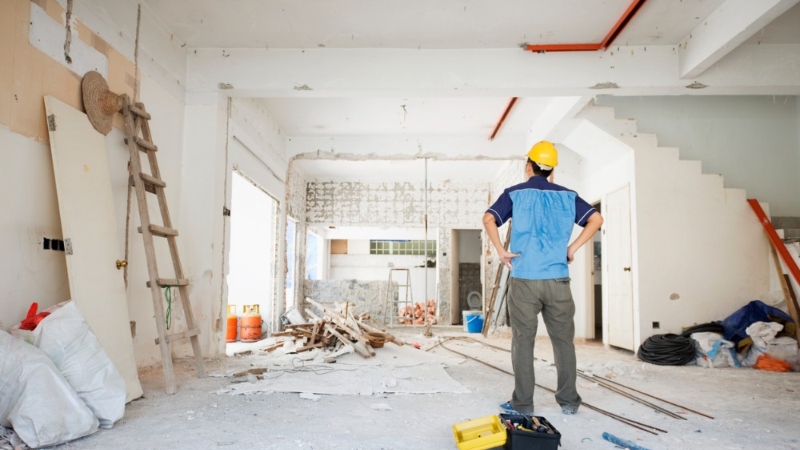
Every home develops small problems over time. A cabinet door starts hanging crooked, bathroom caulking begins to crack, or a light fixture no longer suits the room. Individually, these issues may seem insignificant, but together they can affect how comfortable and functional a home feels. Working with experts for home improvements can help address everyday maintenance concerns while identifying areas that might benefit from more substantial changes. The challenge is knowing when a simple repair is enough and when a larger renovation makes sense.
Small Repairs Can Reveal Bigger Problems
Home maintenance often begins with a collection of minor inconveniences. A dripping faucet, loose cabinet handle, or damaged section of drywall may not demand immediate attention, but postponing repairs can sometimes create additional problems. Moisture can spread behind surfaces, worn hardware may damage surrounding materials, and small defects can gradually become more expensive to correct.
Keeping a running list of maintenance concerns makes it easier to recognize patterns. For example, repeatedly repairing the same kitchen cabinets might indicate that their construction or layout no longer meets household needs. Similarly, recurring bathroom moisture problems could suggest inadequate ventilation rather than a simple issue with deteriorating caulk. Understanding the underlying cause helps homeowners avoid spending money on temporary solutions.
Knowing When Repairs Are No Longer Enough
Not every home improvement requires demolition or major construction. Replacing outdated fixtures, repairing damaged trim, improving weatherstripping, and adjusting doors can noticeably improve a home’s appearance and performance. These smaller projects are particularly worthwhile when existing materials and layouts remain functional. However, repeatedly fixing components that are nearing the end of their useful life may eventually cost more than replacing them.
Kitchen and bathroom renovations make this distinction especially clear. A new faucet can refresh a sink, but it won’t improve a kitchen where countertops are too cramped or traffic constantly crosses the cooking area. Once layout changes become necessary, the coordinated design-build process used by remodelworks.com brings planning, material selections, and construction schedules into the same conversation. That coordination becomes important when changes to cabinetry, plumbing, lighting, and flooring affect one another.
The decision should depend on more than appearances. Consider how frequently a problem occurs, whether existing materials remain structurally sound, and how the space supports daily activities. A bathroom with outdated tile but functional plumbing may need relatively modest improvements. A bathroom with persistent leaks, poor ventilation, and an impractical layout may justify a more comprehensive renovation.
Improve the Way Your Home Functions
A successful improvement should make everyday routines easier, not simply create a different appearance. Before selecting finishes or purchasing fixtures, homeowners should consider what causes frustration in each room. Perhaps kitchen storage is difficult to access, bathroom lighting creates shadows, or an entryway collects shoes and bags because there is nowhere convenient to put them.
Small adjustments can sometimes solve these problems without extensive remodeling. Installing additional shelving, replacing poorly positioned hardware, or improving task lighting may transform how a room functions. Where space limitations are more serious, changing cabinetry configurations or repositioning fixtures could provide greater long-term benefits. The important distinction is whether the improvement addresses the actual inconvenience rather than merely covering it up.
Set a Budget That Reflects the Real Work
Home improvement budgets should account for more than visible materials. Labor, preparation, disposal, repairs to concealed surfaces, and necessary permits can all affect the final cost. Even a relatively straightforward fixture replacement may reveal damaged connections or worn components that require attention before installation can be completed.
For larger renovations, establishing priorities before construction begins helps prevent unnecessary spending. Homeowners should separate essential improvements from optional features and allow room for unexpected discoveries. Comparing detailed estimates is equally important because two proposals with similar prices may include very different materials, preparation work, or responsibilities. Clear expectations about scope and scheduling can prevent disagreements once work is underway.
It also helps to consider how long the improvements are expected to remain useful. Spending more on durable flooring in a busy household may be sensible, while expensive decorative finishes might offer limited practical value. Choosing materials according to maintenance requirements, moisture exposure, and daily wear often produces better long-term results than following temporary design trends.
Plan Maintenance After the Improvements Are Finished
Renovation is not the end of home care. New fixtures, flooring, cabinetry, and finishes still require appropriate maintenance to preserve their condition. Neglecting ventilation, allowing water to accumulate around vulnerable surfaces, or ignoring small leaks can shorten the lifespan of even carefully completed improvements.
A seasonal maintenance routine can help protect that investment. Checking plumbing connections, cleaning gutters, inspecting exterior sealants, replacing HVAC filters, and monitoring areas exposed to moisture are relatively simple ways to catch developing problems early. Homeowners should also retain product information, warranty documents, and installation records so future repairs can be handled more efficiently.
Build a Home That Works for the Long Term
The most worthwhile home improvements are rarely determined by project size alone. Repairing a stubborn door can make daily life easier, while a thoughtfully planned kitchen renovation may change how an entire household uses its space. Both can be valuable when they address genuine needs.
Instead of treating maintenance and remodeling as unrelated activities, homeowners can view them as parts of the same long-term strategy. Regular repairs preserve what already works, while carefully selected renovations address limitations that smaller fixes cannot resolve. This balanced approach helps create a home that remains comfortable, practical, and easier to maintain as needs change.
Click here for more details.