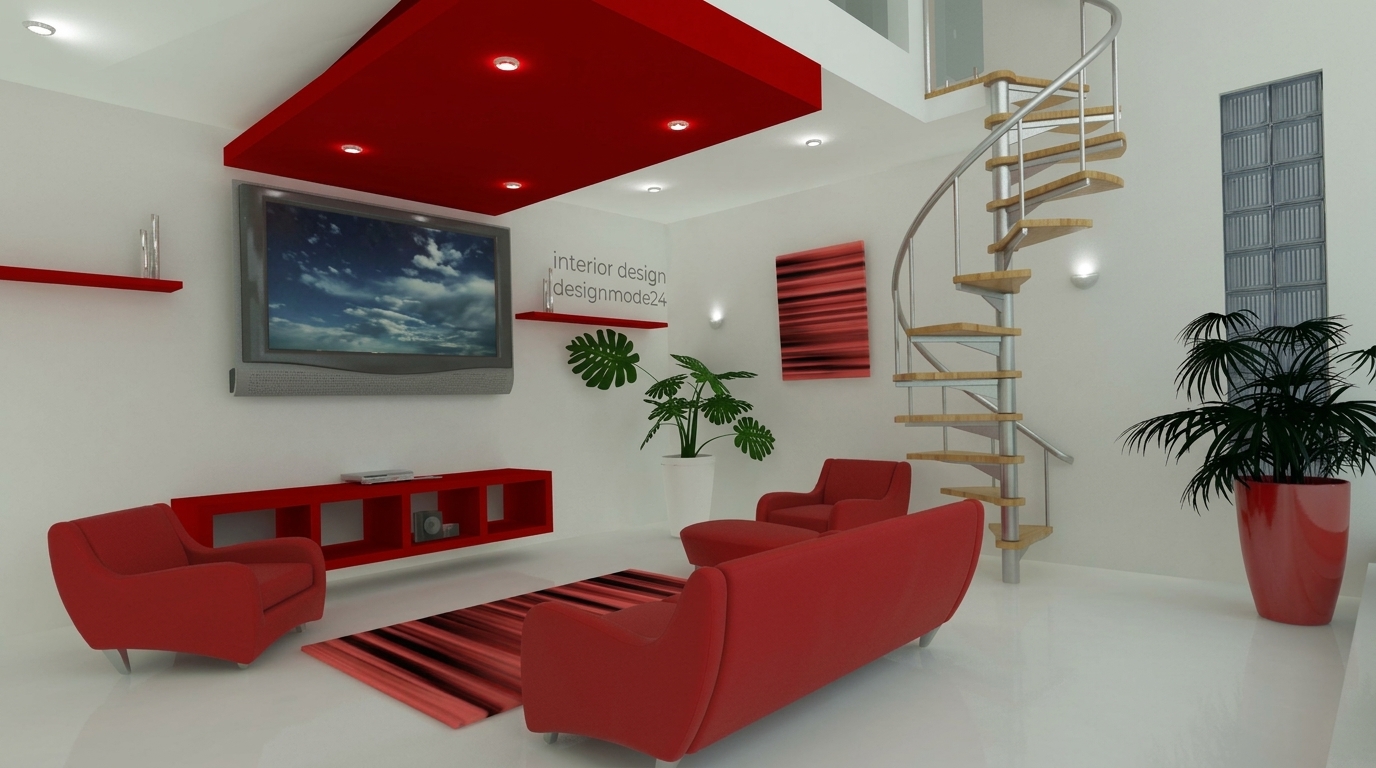
Interior design designmode24 is a practical, room-by-room process for modern American homes — pick one style, fix the layout, layer the lighting, then buy. You can refresh any room in this order and get a calmer, more finished result without a designer’s budget.
Commercial searchers usually want the same three things: ideas, an order of operations, and a cost reality check. The table below settles the “which room first” question, so you can jump straight to the section that matters most to you.
|
Room |
Top priority | Quick win |
Budget tip |
|
Living room |
Layout and scale | Larger rug, layered lamps | Paint and rug first; furniture later |
| Bedroom | Calm palette and storage | Bedside lighting, decluttered surfaces |
Fix storage before buying bedding |
|
Kitchen |
Lighting and countertop order | Under-cabinet lighting | Refinish before you replace |
| Bathroom | Clear surfaces and ventilation | New vanity lighting, towel rails |
Swap hardware before fixtures |
What Is Interior Design DesignMode24?
Interior design designmode24 is a working method, not a template or a product. It treats every room the same way: decide the style, plan the layout, set the palette, layer the lighting, and only then buy furniture and decor. The name gets used loosely online — a handful of similarly named sites and services exist — so treat this guide as the reference point: a repeatable way to design a home that looks intentional and stays functional.
The method matters because most room makeovers fail in the same place. People buy furniture first, then discover it doesn’t fit the layout they actually have. DesignMode24 inverts that order, which is why the approach keeps coming back to the same four questions: is the scale right, is the palette calm, is the lighting layered, is the storage obvious? Answer those four and the room almost decorates itself.
The practical takeaway: you do not need a full renovation to change how a room feels. You need a sequence, and that sequence is the rest of this guide.
A Step-by-Step Guide to Planning a Room Makeover
A room makeover fails more often from bad sequencing than bad taste. Follow this order and money gets spent where it actually shows.
- Set the budget before you browse. Decide the number first. Showrooms and mood boards will happily spend money you haven’t decided to spend.
- Choose one style, not three. A room with four competing styles always reads as clutter. Pick a primary look and let everything else support it.
- Plan the layout before furniture. Measure the room, mark the door swings and traffic paths, and draw the furniture plan. This defeats the most expensive mistake in decorating: furniture that does not fit.
- Layer the lighting as a system. Most rooms rely on one ceiling light, which flattens everything. Add task and accent light so the room works at night, not just at noon.
- Buy last. Paint, rug, then the biggest pieces, then accents. Purchasing in this order keeps every choice consistent with the ones before it.
Run this checklist on any room and you will finish with a space that looks considered, whatever your budget band.
Style Guide: Match the Look to Your Home
Forget hunting through endless inspiration photos. Four styles cover the majority of modern American homes, and each has a clear “best for” fit.
|
Style |
Best for | Color base |
Signature pieces |
|
Modern minimal |
Renters and busy households | Neutral whites and greys | Streamlined sofa, hidden storage, open floor |
| Warm contemporary | Families who want cozy, not cold | Creams, taupes, soft earthy tones |
Textured fabrics, wood accents, curved edges |
|
Transitional |
Homes blending old and new | Soft greys and warm whites | Classic silhouettes, mixed metals |
| Rustic-industrial | Loft and character homes | Deep greys, black, raw wood |
Exposed shelving, leather, metal frames |
Choose the single primary style that matches your home’s bones and your daily life. A busy household rarely survives a delicate minimalist room; a large loft-style living room rarely wants cottage florals. The framework is simple: match the style to the space, the square footage, and how you actually live, then let that one choice steer every purchase.
Room by Room: The Four Rooms That Matter Most
Living room design
The living room is where layout mistakes are most visible. Anchor the seating around a single focal point — the fireplace, the window, or the TV — and put the largest rug under the front feet of the main sofa so the zone reads as one unit. Then add light at two levels: a floor lamp for relaxed evenings and table lamps for focused tasks. The single most common mistake here is buying a sofa before measuring the doorway it has to pass through. Measure twice, buy once.
Bedroom design
The bedroom needs a calm palette more than anything else. Pick two or three muted tones and keep patterns to the bedding. Storage comes second: if the floor and chair are collecting clothes, no amount of decor will fix the visual noise. Make the bed the room’s centre, add proper bedside lighting on both sides, and clear the dresser tops. A bedroom that looks bigger is usually just one that has less on the surface.
Kitchen design
Kitchens respond fastest to lighting and cleared counters. Swap the single ceiling light for under-cabinet task lighting, and move the toaster, knives and oils off the countertop into drawers and a tray by the sink. If you are weighing changes, refinishing cabinets costs far less than replacing them and changes the room more than any other single move. Keep the palette to one accent colour on the walls and let the cabinetry carry the statement.
Bathroom design
The bathroom wins with clear surfaces and better ventilation. Replace the vanity’s single light bar with sconces at face height (side lighting removes harsh shadows), add a towel rail by the shower, and store every bottle that does not get used daily. Upgrading hardware — taps, cabinet pulls, the mirror frame — refreshes the room for a fraction of a fixture replacement. A bathroom that feels like a spa is mostly one that has nothing extra on the counter.
Budget Reality: What These Projects Actually Cost
Honest numbers are the fastest way to protect a budget. These are indicative US ranges — they shift with your region and the scope of work — but they give you a planning anchor before you call any contractor.
|
Room |
Refresh (paint, décor) | Remodel (structural) |
Where the savings live |
|
Living room |
$500–$2,500 | $5,000–$15,000 | Paint and rug first; furniture later |
| Bedroom | $400–$2,000 | $4,000–$12,000 |
Storage before new bedding |
|
Kitchen |
$3,000–$10,000 | $25,000–$75,000 | Refinish cabinets before replacing |
| Bathroom | $1,500–$5,000 | $12,000–$30,000 |
Hardware before fixtures |
A few realities worth knowing: kitchen remodels are the single largest home investment most people make, mid-range work tends to sit in the $150–$250 per square foot neighbourhood, and the hidden costs — demo, electrical, permits — routinely add to the headline quote. Plan a contingency of around ten percent on anything that involves a contractor. If the goal is a visible transformation for the least money, spend on paint, rugs, lighting and hardware before touching fixtures or cabinetry.
Common Interior Design Mistakes and How to Avoid Them
Almost every disappointing room repeats the same handful of errors. Each one has a short fix.
|
Mistake |
Why it happens |
One-line fix |
|
Furniture bought too large |
No measuring before buying |
Draw the plan and measure the doorway first |
|
One ceiling light only |
Layering is overlooked | Add floor, table or under-cabinet light |
| Trend-chasing before planning | Inspiration replaces a decision |
Fix your style before you buy anything |
|
Painting before layout |
Colour chosen in isolation | Lock the layout, then pick the paint |
| Ignoring storage | Decor treated as display |
Design the storage, then add the accents |
Skip these five and you dodge most of the money-wasting that turns makeovers into regrets. The pattern behind all of them is the same: decisions get made out of order. The DesignMode24 sequence exists specifically to prevent that.
Your DesignMode24 Takeaways: Quick Action List
Five decisions carry a whole home project. Write these down before you buy anything: the single style you will commit to, the room you will start with, your budget band including contingency, the layout drawn to scale, and the lighting plan treated as a system. Answering those five before shopping is the difference between a room that looks finished and a room that looks furnished.
FAQ
How much does a kitchen remodel cost in 2026?
As an indicative range, a full kitchen remodel typically runs from roughly $25,000 to $75,000 depending on region and scope, with lighter cosmetic updates costing far less. The safest move is to get three contractor quotes and add a ten percent contingency on top.
How do I arrange furniture in a small living room?
Anchor the seating around one focal point, keep the biggest rug under the front feet of the sofa, and leave clear walkways at least two feet wide. Choose one anchor piece and scale everything else down from there, rather than filling every wall.
How can I make a small bedroom feel bigger?
Downsize the bed if you can, move storage upward with shelves and vertical units, and keep wall and bedding colours in the same soft family. Fewer, lighter surfaces read as more space than any clever mirror trick.
Where do I start when designing a room?
Set the budget, choose one style, then plan the layout to scale before you buy anything. Paint and the rug come first; furniture and accents come last.
What is the difference between modern and contemporary design?
Modern design refers to the clean, mid-century aesthetic — simple lines, neutral colours, function first. Contemporary describes design of the present moment, which is looser and borrows from several eras. The practical difference: modern is a specific style, contemporary is a moving target.
Should I hire an interior designer or decorate myself?
Hire help when you are doing structural work, have a large budget, or keep second-guessing your choices. Decorate yourself when the project is cosmetic, the room is small, and you are willing to follow a fixed sequence. Most US cosmetic refreshes — paint, rug, lighting, styling — are very doable without a pro.
What interior design mistakes should I avoid?
The big five: furniture that does not fit, single-source lighting, buying before planning, painting before layout, and forgetting storage. All of them share one cause — decisions made out of order — so the fix is the same sequence every time.
How do I choose a colour palette for my home?
Start from the largest fixed element — the sofa, the cabinetry or the floor — and pull two or three muted tones from it. Use the rule of 60-30-10: sixty percent a dominant base, thirty percent a secondary tone, ten percent an accent. A calm palette beats a busy one in almost every room.
Final Thought
A finished-looking room is rarely the product of a big budget. It is the product of a correct sequence: style, layout, palette, lighting, then purchases — applied in that order, room by room. Start with one room and one decision, and let the designmode24 method carry the rest. The goal is not a showroom. It is a home that works for how you actually live, and that is entirely achievable today.
Click here for more details.