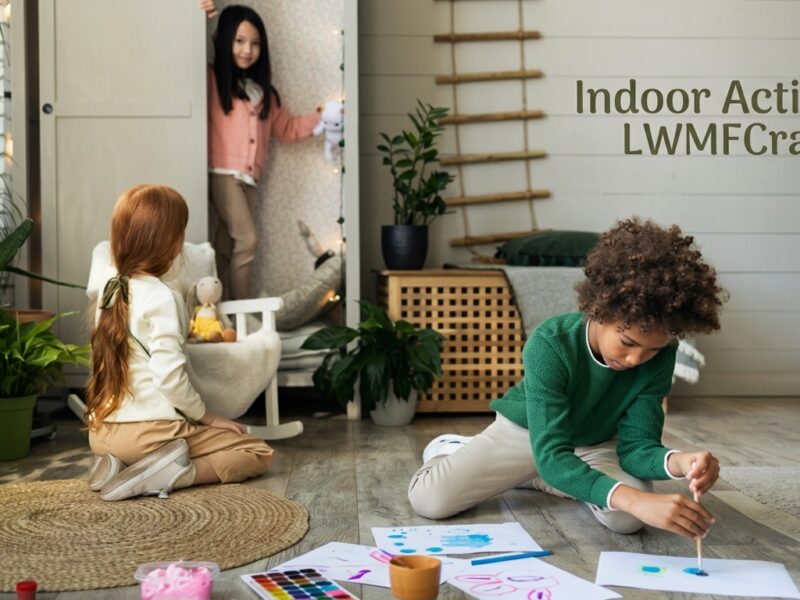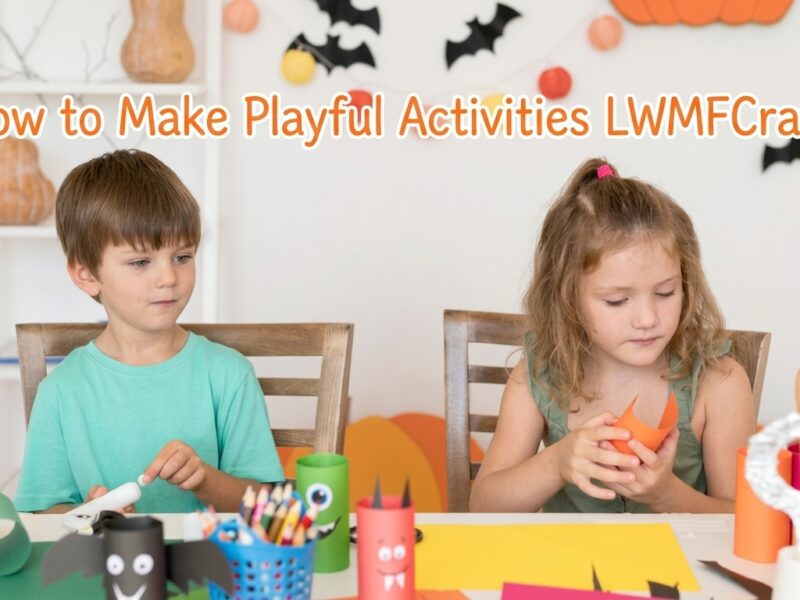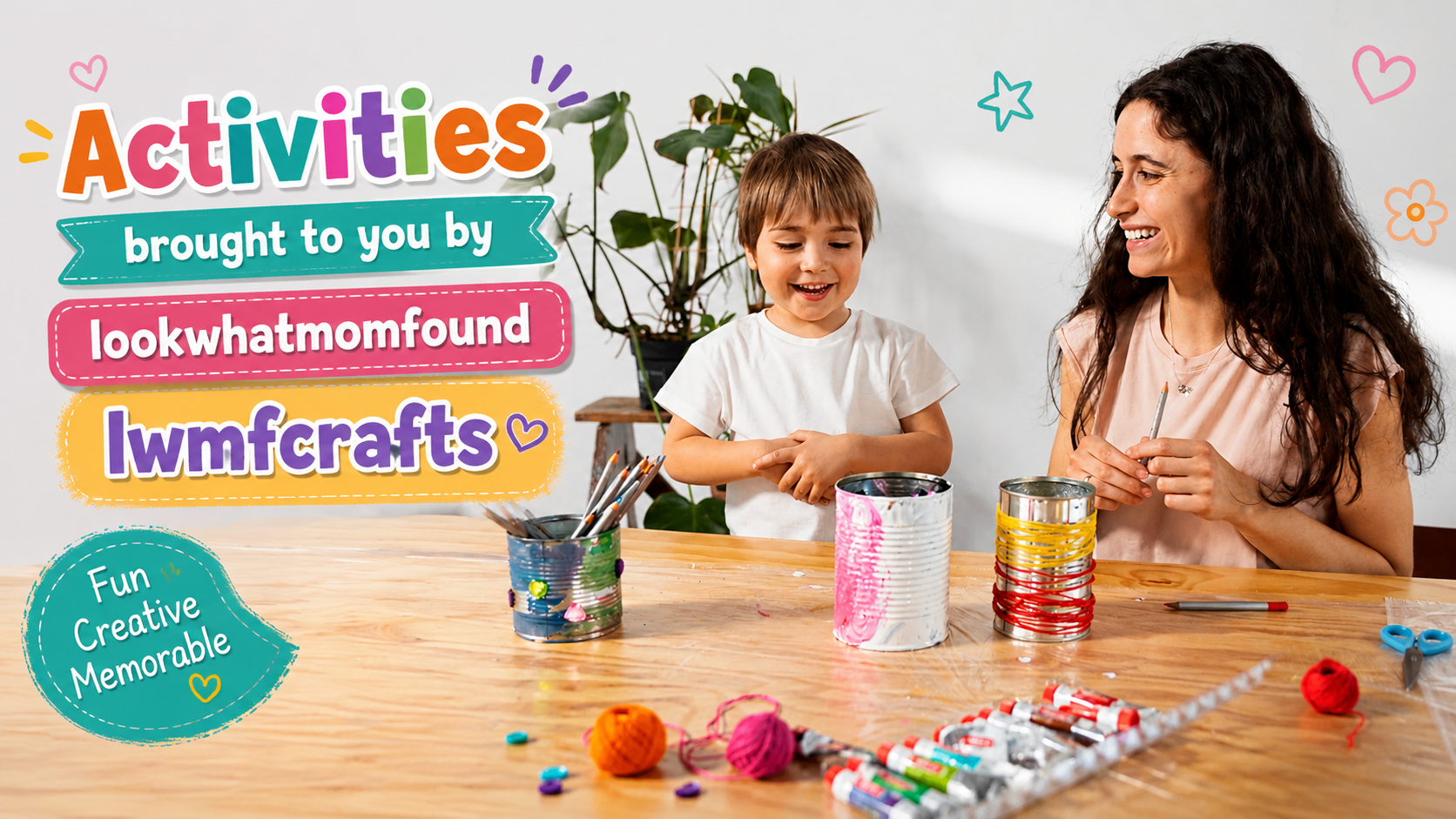
LWMFCrafts is the creative activities wing of LookWhatMomFound, offering easy, hands-on craft projects for kids and families. Its activities are organized by age, material, and season, so parents can find the right project fast — often using supplies already in the house.
Quick Reference Table
|
How to Choose |
What to Ask | Best Match |
Example |
|
By Age |
How old is the child? | Toddlers: sensory play; School-age: independent projects | Sensory bin vs. bead bracelet |
| By Material | What’s already at home? | Recycled: boxes, rolls, egg cartons |
Cardboard dollhouse |
|
By Moment |
Rainy day or busy weeknight? | Indoor: puppets; Fast: painted stones | 15-minute paper craft |
| By Season | Holiday or seasonal theme? | Seasonal crafts with prep lead time |
Holiday decorations |
What Is LWMFCrafts from LookWhatMomFound?
LWMFCrafts is the dedicated craft and DIY section of LookWhatMomFound, a larger parenting and lifestyle site that also covers family content, recipes, and giveaways. The name stands for Look What Mom Found — the idea that great activity ideas are hiding in everyday items around the house.
The section focuses on simple, accessible, budget-friendly projects that families can do together. The content spans recycled-material builds, sensory play for little ones, rainy-day crafts, seasonal and holiday projects, and nature-based crafts made from leaves, sticks, and pebbles.
What sets it apart from generic craft blogs is the way activities are organized. Instead of dumping fifty projects into one list, LWMFCrafts sorts ideas by your child’s age, available materials, and the moment you need them — so you can find a fitting activity in under a minute.
How to Choose the Best Activity for Your Child
The fastest way to a successful craft session is a simple three-question filter. Consider your child’s age before choosing an activity. What do I already have? What moment am I filling? The answers narrow any list down to one good option.
Matching Activities to Age
|
Age Group |
Main Focus | Best Activity Types |
What to Expect |
|
Toddlers (1–3) |
Sensory exploration | Edible playdough, sensory bins, finger painting | High supervision, some mess |
| Preschoolers (3–5) | Fine motor + imagination | Paper plate puppets, handprint animals, simple cutting |
Moderate supervision |
|
School Age (6–10) |
Independence + skills | Bead bracelets, decorated notebooks, recycled builds | Little supervision after setup |
| Teens (11+) | Personal expression | Painted storage jars, custom crafts, gift-making |
Fully independent |
Matching Activities to Materials
The best craft supply list is the one that costs nothing. Everyday household items do most of the work: cardboard boxes, paper rolls, egg cartons, old jars, and scrap paper. Recycled-material projects turn trash into toys, and they teach kids about reusing things instead of throwing them away.
Matching Activities to the Moment
- Rainy day: Paper bag puppets, building challenges, and longer projects that fill an afternoon.
- Busy weeknight: Painted stones, simple paper shapes, and any 15-minute craft.
- Weekend: Nature walks turned into leaf and pebble art, or a family project that takes a couple of hours.
- Holiday: Themed decorations and gift-making with a few days of prep time.
Easy Craft Projects for Toddlers & Preschoolers
Sensory Play Ideas for Little Hands
Sensory play is the foundation of toddler crafting. It builds fine motor skills, sparks curiosity, and keeps little hands busy. Two reliable starters are edible playdough (safe if tasted) and sensory rice bins filled with scoops and cups. Both are low-cost and easy to clean up.
| Sensory Idea | Mess Level | Prep Time |
Best For |
|
Edible playdough |
Low | 10 minutes | Toddlers who put things in their mouths |
| Sensory rice bin | Medium | 5 minutes |
Independent play practice |
|
Finger painting |
High | 5 minutes | Creative exploration |
| Water play station | Medium | 5 minutes |
Hot days and outdoor time |
Simple Paper Crafts and Handprint Projects
Paper plate puppets and handprint animals are preschool classics for good reason. They need only paper, markers, and glue, and the results are proudly displayed for weeks. Keep expectations loose — at this age the process matters far more than the finished product.
Creative Activities for School-Age Kids & Teens
Independent Projects That Build Skills
Older kids want to make things on their own. Bead bracelets, decorated notebooks, and painted storage jars all let them express themselves while building patience and fine motor control. These projects need minimal help after the initial setup.
Recycled and Homemade Craft Projects
| Recycled Item | What You Can Make | Skill Level |
Cost |
|
Cardboard boxes |
Dollhouse, car, castle | Medium | Free |
| Egg cartons | Toy cars, caterpillars, seed starters | Easy |
Free |
|
Paper rolls |
Binoculars, marble runs, animals | Easy | Free |
| Old jars | Painted storage, lanterns | Medium |
Free |
The zero-cost supply list is the same every time: cardboard, paper rolls, egg cartons, jars, glue, scissors, and paint. Collect a small box of these as you go, and you’ll always have a craft session ready.
Indoor Activities for Rainy Days & Screen-Free Time
Rainy-Day Crafts That Fill an Afternoon
A good indoor craft should match your available time. A 20-minute puppet craft works for a short break; a cardboard building challenge can fill an entire afternoon. Plan around nap times and attention spans, and have a backup ready.
Screen-Free Activities for the Whole Family
|
Activity |
Time It Fills | Age Range |
Family Involvement |
|
Paper bag puppet show |
45–60 minutes | 3–10 | Whole family performs |
| Cardboard building challenge | 1–2 hours | 5–12 |
Parents build alongside |
|
Family art gallery |
1 hour | All ages | Everyone creates and displays |
| Scavenger-hunt craft | 45 minutes | 4–10 |
Teams of parent + child |
Screen-free time works best when it feels like a choice, not a punishment. Frame it as a family project and let the kids pick the activity from a short menu.
Seasonal & Holiday Craft Ideas
Seasonal crafts give families something to look forward to all year. The trick is planning supplies instead of scrambling the week of the holiday.
|
Season |
Craft Ideas | Prep Lead Time |
Best For |
|
Spring |
Flower prints, egg carton gardens | 2–3 days | Nature + recycling |
| Summer | Painted stones, beach-themed art | Same day |
Outdoor play |
|
Fall |
Leaf art, paper pumpkins | 2–3 days | Nature walks |
| Winter | Holiday cards, paper snowflakes, gift-making | 1 week |
Family traditions |
A simple habit: keep a small seasonal supply box and restock it a week before each holiday. When the season arrives, the crafts are ready to go.
Common Mistakes Parents Make with Kids’ Crafts
Knowing what to stop is as valuable as knowing what to start. These are the patterns that turn craft time into frustration:
|
Common Mistake |
Why It Happens |
The Fix |
|
Overcomplicating projects |
Choosing adult-level crafts | Pick projects one level below the child’s skill |
| Skipping prep | No time to gather supplies |
Keep a ready supply box at all times |
|
Expecting perfection |
Comparing to Pinterest photos | Celebrate the process, not the product |
| Ignoring mess level | Surprised by cleanup |
Check mess rating before starting |
|
Doing it for the child |
Faster than waiting | Let the child lead; step in only when asked |
| No cleanup plan | Chaos after the fun |
Set a 5-minute cleanup rule before starting |
Practical Takeaways: A Simple Way to Start
You don’t need a full craft schedule to benefit from LWMF crafts. A simple first week is enough to build momentum:
|
Day |
Action |
Goal |
|
Day 1 |
Start a supply box (boxes, rolls, jars, paint) |
Always-ready materials |
|
Day 2 |
Pick one sensory activity for younger kids | First win with little ones |
| Day 3 | Try one recycled build with older kids |
Independent creativity |
|
Day 4 |
Schedule one 15-minute screen-free session | Consistency without pressure |
| Day 5 | Plan one seasonal craft for the coming holiday |
Forward thinking |
|
Day 6 |
Let the kids choose the next activity | Ownership and excitement |
| Day 7 | Review what worked and repeat it |
Build a family ritual |
After the first week, keep what worked, drop what didn’t, and add one new activity each week. The goal isn’t a perfect craft routine — it’s a habit of creating together.
FAQ: Kids’ Craft Activities from LookWhatMomFound
What is LWMFCrafts from LookWhatMomFound?
LWMFCrafts is the creative activities section of LookWhatMomFound, a parenting and lifestyle site. It offers easy, hands-on craft projects for kids and families, organized by age, material, and season.
Are LookWhatMomFound crafts free to use?
Yes. The projects are designed to be budget-friendly and mostly use household and recycled materials like cardboard, paper rolls, egg cartons, and jars. You rarely need to buy new supplies.
What are the best craft activities for toddlers?
Sensory play is the best starting point. Edible playdough, sensory rice bins, and finger painting are safe, simple, and build fine motor skills. Expect to supervise closely and keep mess in mind.
What easy crafts can kids do with recycled materials?
Cardboard boxes become dollhouses or castles, egg cartons become toy cars or caterpillars, and paper rolls become binoculars or marble runs. All of these cost nothing and use items already in the house.
How do I keep kids entertained indoors on a rainy day?
Match the craft to your available time. Paper bag puppet shows and family art projects fill an hour, while cardboard building challenges can fill an afternoon. Always have a backup activity ready.
What are good screen-free activities for the whole family?
Puppet shows, building challenges, family art galleries, and scavenger-hunt crafts all work well. Let the kids choose from a short menu so screen-free time feels like a choice, not a punishment.
Which crafts can older kids do on their own?
Bead bracelets, decorated notebooks, painted storage jars, and recycled builds all suit independent work. After a quick setup, most school-age kids can complete these without constant help.
Conclusion
LWMFCrafts from LookWhatMomFound turns everyday household items into opportunities for creativity, learning, and family time. Start small — one supply box, one sensory activity, one screen-free session — and let the habit grow from there. The best craft is the one that actually happens, week after week.
Click here for more details.