Tiny homes are becoming an increasingly popular housing choice in Australia. With rising property prices, changing lifestyles, and growing interest in affordable living, many Australians are exploring smaller homes as an alternative to traditional houses. These compact properties offer practical living spaces, modern designs, and opportunities to enjoy a simpler lifestyle without compromising essential comforts.
Whether you are looking for a permanent residence, a holiday home, or a flexible living arrangement, exploring tiny homes for sale Australia can help you find a property that suits your budget and lifestyle.
However, buying a tiny home requires careful planning. From choosing the right design to understanding costs, building regulations, and installation requirements, there are several important factors to consider before making a purchase.
What Are Tiny Homes?
Tiny homes are compact residential properties designed to provide comfortable living within a smaller space. They generally include essential facilities such as a bedroom, kitchen, bathroom, living area, and storage.
Unlike traditional houses, tiny homes focus on efficient space utilisation and practical design. Many feature multifunctional furniture, loft bedrooms, built-in storage, and energy-efficient appliances.
In Australia, tiny homes are available in different styles, including:
- Tiny Homes on Wheels: Mobile homes designed for flexibility and relocation.
- Fixed Tiny Homes: Small houses permanently installed on land.
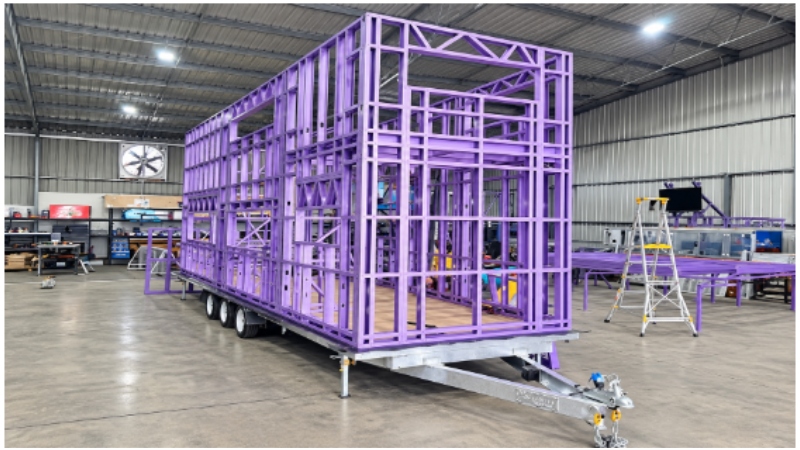
- Prefabricated Tiny Homes: Homes manufactured off-site and transported for installation.
- Modular Tiny Homes: Homes constructed using separate sections that are assembled on-site.
- Off-Grid Tiny Homes: Properties designed to operate using solar power, water tanks, and alternative waste systems.
Each type offers different advantages depending on your accommodation needs and budget.
Why Are Tiny Homes Becoming Popular in Australia?
There are several reasons why more Australians are considering tiny homes as a practical housing solution.
1. Affordable Housing Option
One of the biggest reasons behind the growing demand for tiny homes is affordability. Traditional properties can require significant financial investment, while smaller homes may offer a more accessible alternative.
Depending on the design, construction materials, and features, buyers can choose options that suit different budgets.
2. Flexible Living Arrangements
Tiny homes on wheels provide greater flexibility because they can potentially be relocated when required. This makes them attractive to people who enjoy travelling, exploring different locations, or living closer to nature.
However, transportation and parking must comply with applicable road and local regulations.
3. Lower Maintenance Requirements
Smaller properties generally require less cleaning, fewer materials for repairs, and less space to maintain. This can make everyday household management easier.
4. Environmentally Friendly Lifestyle
Many modern tiny homes incorporate sustainable features such as solar panels, rainwater collection systems, energy-efficient lighting, and environmentally friendly building materials.
These features can help reduce energy consumption and household resource usage.
5. Modern and Practical Designs
Despite their compact size, modern tiny homes can include stylish interiors, contemporary kitchens, comfortable bathrooms, and smart storage solutions.
This allows homeowners to enjoy functional living spaces without needing a large property.
What Types of Tiny Homes Are Available for Sale in Australia?
When searching for tiny homes for sale Australia, you will find several designs suitable for different lifestyles.
1. Tiny Homes on Wheels
These homes are constructed on trailers and designed for mobility. They are suitable for people who prefer flexible accommodation and may want to relocate their homes.
Before purchasing, check trailer specifications, registration requirements, towing capacity, and insurance options.
2. Modern Prefabricated Tiny Homes
Prefabricated tiny homes are manufactured in a controlled environment and delivered to the selected location. They can reduce on-site construction time and offer different layouts and finishes.
Buyers should confirm that the home meets applicable Australian building requirements.
3. Luxury Tiny Homes
Luxury tiny homes combine compact layouts with premium materials and modern facilities. They may include designer kitchens, stylish bathrooms, large windows, quality flooring, and customised interiors.
4. Off-Grid Tiny Homes
Off-grid homes are designed to operate independently of some traditional utility services. They may include solar panels, battery storage, rainwater tanks, and independent wastewater systems.
They are particularly attractive to buyers interested in rural living and reduced dependence on conventional utilities.
How Much Do Tiny Homes Cost in Australia?
The price of a tiny home in Australia depends on several factors, including its size, construction quality, materials, design, and additional features.
Generally, a basic tiny home will cost less than a customised luxury property. Homes with premium appliances, high-quality finishes, solar systems, and specialised construction may require a larger investment.
Apart from the purchase price, buyers should also consider additional expenses such as:
- Land purchase or rental costs
- Transportation and delivery charges
- Site preparation and installation
- Council and building approval fees
- Plumbing and electrical connections
- Solar panels and battery systems
- Insurance and ongoing maintenance
It is important to calculate the complete project cost rather than focusing only on the advertised price. Request detailed quotations from different suppliers to understand what is included in the package.
Important Things to Consider Before Buying a Tiny Home
Purchasing a tiny home is a significant decision. Before choosing a property, consider the following factors.
1. Choose the Right Size and Layout
Think about how much living space you actually need. Consider the number of occupants, bedroom requirements, storage facilities, and everyday activities.
A practical layout can make a small home feel more comfortable and spacious.
2. Check Building Quality and Materials
Always inspect the construction quality before purchasing. Pay attention to insulation, roofing, flooring, windows, ventilation, plumbing, and electrical installations.
Ask the supplier for relevant engineering documents, product specifications, warranties, and compliance certificates.
3. Understand Local Council Regulations
Australian tiny home regulations vary between states, territories, and local councils. A tiny home on wheels may be treated differently from a permanent dwelling.
For example, Queensland distinguishes between temporary mobile tiny homes and tiny homes used as permanent accommodation. Fixed homes may require planning, building, and plumbing approvals. Buyers should confirm the applicable requirements before purchasing or installing a property.
4. Consider Utility Connections
Check whether the property includes essential services such as electricity, water supply, wastewater management, and internet connectivity.
If you are planning off-grid living, understand the capacity and maintenance requirements of the systems installed.
5. Compare Different Suppliers
Do not make a purchase decision based on appearance alone. Compare multiple manufacturers and review their previous projects, customer feedback, construction standards, warranties, and delivery arrangements.
Are Tiny Homes a Good Investment in Australia?
Tiny homes can be a practical investment for people looking for alternative accommodation, additional living space, or potential rental opportunities.
Some homeowners use them as guest accommodation, while others consider them for holiday stays or secondary dwellings.
However, investment potential depends on location, land ownership, planning permission, demand, construction quality, and ongoing expenses.
If you intend to rent out your tiny home, check whether local regulations and your insurance policy permit commercial or short-term accommodation.
A tiny home should be evaluated according to your financial goals and intended use rather than assuming it will automatically increase in value.
Where Can You Find Tiny Homes for Sale in Australia?
There are several ways to explore available tiny homes across Australia.
You can start by researching specialist tiny home manufacturers, prefabricated housing companies, modular home suppliers, and online property marketplaces.
When comparing available properties, look for:
- Detailed product descriptions and specifications
- Transparent pricing and payment terms
- Previous construction projects
- Delivery and installation information
- Warranty and after-sales support
- Building compliance documentation
Visiting a display home or requesting a virtual inspection can also help you understand the actual space, layout, and construction quality.
Final Thoughts
Buying a tiny home can be an exciting opportunity for Australians who want affordable, flexible, and practical living arrangements. From mobile homes on wheels to modern prefabricated and luxury designs, there are many options available to suit different budgets and preferences.
When exploring tiny homes for sale Australia, it is important to compare designs, check construction quality, understand the complete costs, and research local council regulations before making a decision.
Taking time to evaluate different suppliers and property options can help you find a tiny home that meets your requirements and provides comfortable living for years to come. With proper research and planning, a tiny home can become a practical step towards a simpler and more flexible lifestyle.
Click here for more details.