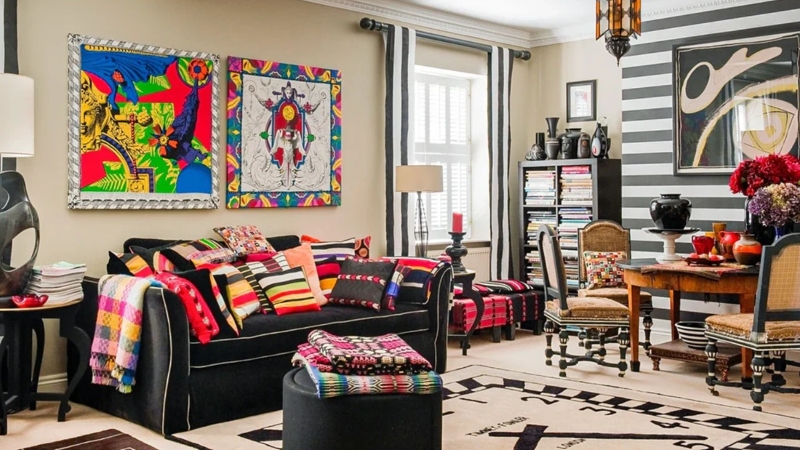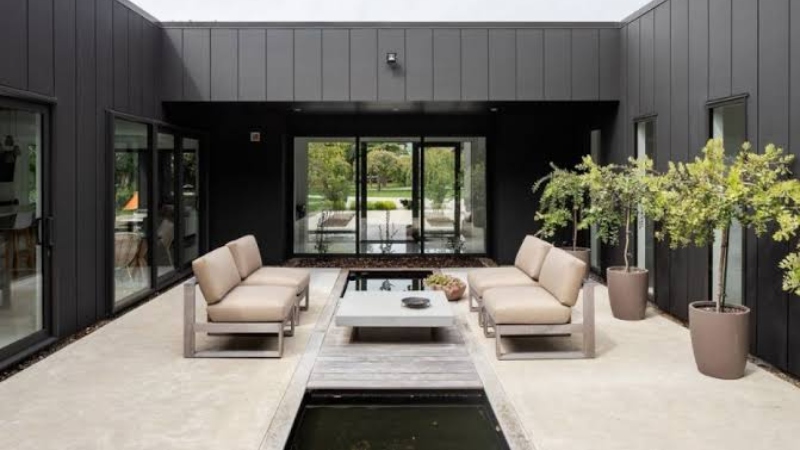
When we opened up the ground floor of our townhouse, knocking the kitchen, dining and living rooms into one long space, I didn’t think much about wood. We had pale oak floors that we loved and weren’t replacing. We’d ordered walnut for the new built-in shelves along one wall because a magazine had told me walnut was elegant. And there was my grandmother’s pine dining table, scarred and honey-colored, which was coming with us no matter what anyone said.
It wasn’t until the shelving was about to go into production that our designer, a soft-spoken woman named Ruth who had clearly seen this before, asked whether I’d ever seen all three woods together in one room. I hadn’t. I’d seen samples on her desk, in very nice light, one at a time.
Why mixing woods goes wrong
Ruth explained it over a cup of tea at my kitchen counter, holding the three samples up next to each other in the window. My oak, she pointed out, leaned a little cool and grayish. The walnut was warm, almost red in places. Grandma’s pine was golden and, frankly, a bit orange once the lamps came on. “Any one of these is lovely,” she said. “Three of them in equal amounts and nobody’s in charge.” In an open room you see everything at once, so the eye just keeps bouncing around looking for somewhere to rest.
She wasn’t telling me to pick one wood and throw the others out. She said most rooms people love have two or three. The trick is letting one lead and making the others either a near match or a deliberate contrast, rather than three roughly equal voices all talking over each other. She compared it to getting dressed: one main color, maybe an accent, and not three loud patterns fighting for attention at once.
Seeing it before ordering it
The shelves were a big order, custom built and not returnable, so Ruth suggested we look at the room properly before signing off. Her firm uses a studio offering professional 3D rendering services for exactly this kind of decision. They built our ground floor as a digital model from her measured plans, with the real oak floor, the walnut shelves, the pine table and even our gray sofa, and rendered the room from three spots: the front door, the kitchen island and the sofa.
The first image was a small shock. The walnut shelves ran almost the full length of the long wall, and against the pale oak floor they looked heavy and very dark, like a block of chocolate dropped into the room. The pine table sat in the middle of it all looking slightly lost, too orange next to the walnut and too yellow against the oak. Nothing was wrong exactly. It just didn’t look like a room someone had planned. My partner, who had been fairly neutral about the whole wood question until then, looked at the screen and said it reminded him of a furniture showroom where three different collections had been squeezed into one corner. He wasn’t wrong, and it was the first time I’d heard him have an opinion about shelving.
Trying alternatives on screen
The nice thing about having the room on a screen was that we could argue about it for free. Ruth asked the studio for three more versions, and they came back two days later. I printed all three and stuck them to the fridge, which made the kitchen look like a very boring art gallery for about a week, but it meant we kept looking at them every time we made coffee.
Version one put white oak on the shelves to match the floor and painted just the inside backs a deep bottle green. I didn’t expect to like it, and I loved it. Suddenly Grandma’s table was the only odd wood in the room, so it looked special instead of lost. Version two kept a short run of walnut around the fireplace and turned the rest of the wall into painted cupboards, which was nicer, though the walnut still looked like a guest who’d arrived at the wrong party. Version three used a smoked oak halfway between the floor and the table, and it was beautiful, and it cost about forty percent more, so that was the end of that. My partner, who signs off on anything over a certain number, took one look at the quote and simply closed the laptop, which I took as a no.
What I’d tell anyone mixing woods
I’m still not a designer, but I’ve turned into the friend who corners people at dinner parties about undertones. What stuck with me from Ruth is pretty simple. Let the floor lead, since there’s always the most of it. Keep the other woods either close to it or clearly different, and try not to mix warm and cool unless you mean to. If you’ve got one piece you treasure, like my table, give it room to be the odd one out.
And before you sign off on anything big and permanent, look at the whole room at once. A sample on a desk can’t tell you what thirty feet of shelving will do to a floor. If a rendering isn’t an option, even a big sheet of veneer leaned against the wall for a week will tell you more than a little chip ever will.
How it turned out
The white oak shelves went in last spring, with the deep green backs, and the room finally feels finished in a way it never did in my head. Visitors always go straight to the pine table now and ask about it, which my grandmother would have loved. Ruth came round for coffee a few weeks after the installation, looked at the room for a moment and said it was exactly like the picture. Then she ran her hand along the table and said it was the best thing in the house, which I already knew. Visit Decorade House for more informations.