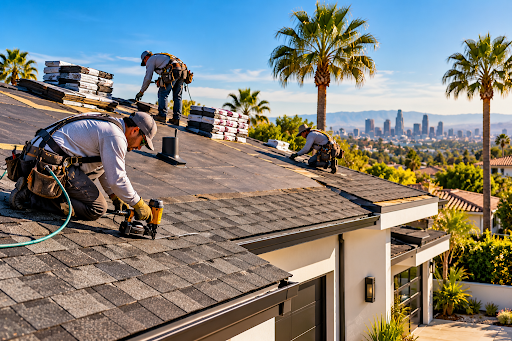
A roof does more than complete the appearance of a house. It helps protect the structure, insulation, belongings, and people inside from sun, wind, rain, and changing temperatures. Over time, however, roofing materials can deteriorate, flashing can loosen, and repeated repairs may become less practical than replacing the roof covering.
For homeowners, arranging a professional Re-roofing service California can be an opportunity to address wear, improve weather protection, and choose materials suited to the property. With a clear plan and a qualified contractor, a re-roofing project can be managed more confidently, from the initial inspection to the final cleanup.
Signs That Your Roof May Need Re-Roofing
Roofing materials rarely fail all at once. In many cases, visible warning signs develop gradually. Asphalt shingles may curl, crack, lose granules, or go missing after strong winds. Tile roofs can have broken or displaced tiles, while flat or low-slope roofs may show blistering, splits, ponding water, or deteriorating seams.
Inside the home, water stains on ceilings, damp insulation, peeling paint, or a musty smell may indicate moisture intrusion. These symptoms should be investigated promptly because a small leak can affect roof decking and other building materials over time. Not every sign means the entire roof must be replaced; a professional assessment can help distinguish isolated repairs from more widespread deterioration.
Age is another consideration. Every roofing material has its own expected service life, influenced by installation quality, ventilation, exposure, and maintenance. Rather than relying on age alone, homeowners should consider the roof’s current condition and repair history when deciding what to do next.
Why Re-Roofing Is an Important Home Investment
A sound roof helps manage water, protects vulnerable parts of the building, and supports the performance of insulation and ventilation systems. Re-roofing can also improve the home’s appearance and provide an opportunity to correct installation issues discovered during inspection.
The right roofing material depends on the property’s design, roof slope, budget, local climate, and any applicable building or fire-safety requirements. Asphalt shingles, metal roofing, and tile are among the options used on California properties, but not every material is suitable for every roof. Weight, underlayment, drainage, and manufacturer specifications should all be considered.
Homeowners should avoid treating a new roof as a guaranteed way to reduce energy bills. Energy performance depends on several factors, including attic insulation, ventilation, roof color, and the home’s overall construction. A contractor can explain which improvements may be appropriate for the specific building.
What Happens During a Re-Roofing Project
1. Roof Inspection and Estimate
The process generally begins with an inspection of the existing roof and an explanation of its condition. The contractor may examine shingles or tiles, flashing, roof penetrations, drainage, visible decking, and signs of moisture damage. A written estimate should describe the proposed work, materials, removal and disposal arrangements, exclusions, and likely additional costs if concealed damage is discovered.
2. Material Selection and Project Planning
Once the scope is understood, the homeowner can compare suitable roofing materials, colors, warranties, and maintenance needs. The contractor should also discuss how the property will be protected during construction, how debris will be handled, and how weather could affect the schedule.
3. Removal and Preparation
Depending on the roof and local requirements, the existing covering may need to be removed before new materials are installed. The exposed roof deck can then be checked for damaged or deteriorated sections. Any necessary repairs should be discussed and completed before the new roof covering goes on.
4. Installation and Flashing
Proper installation involves more than laying down shingles or tiles. Underlayment, edge details, flashing around chimneys and vents, fasteners, and ventilation components all contribute to the roof assembly’s performance. Work should follow applicable codes and the roofing manufacturer’s instructions.
5. Final Inspection and Cleanup
At completion, the contractor should review the finished work, remove construction debris, and explain any maintenance recommendations or warranty documentation. Required inspections should be completed according to the local permitting process.
Permits, Codes, and California Conditions
Building permit requirements can vary by city and county in California, so homeowners should confirm the rules that apply to their property before work begins. Some jurisdictions provide specific re-roofing permits or simplified permit processes for eligible projects. Requirements may depend on the materials, extent of the work, building type, and other circumstances. A contractor and the local building department can help clarify the process.
California properties also face different environmental conditions. Coastal areas may experience salt air and moisture, inland regions can have intense heat, and some locations have heightened wildfire concerns. Roofing materials and installation details should be selected with local exposure and applicable fire-resistance requirements in mind.
It is sensible to verify that a roofing contractor holds the appropriate California license for the work and carries suitable insurance. Ask for the license number and check its status with the Contractors State License Board. A written contract and clear communication help reduce uncertainty throughout the project.
How to Choose a Roofing Contractor
Start by comparing more than the headline price. Ask prospective contractors about their experience with your roof type, the products they recommend, project supervision, expected timeline, and how they handle unexpected repairs. Request references or examples of similar completed work, and review the written scope carefully.
A useful estimate should make clear whether tear-off, disposal, underlayment, flashing, ventilation, permits, and cleanup are included. It should also explain how additional work will be priced and approved. Be cautious of vague promises, pressure to sign immediately, or a quote that leaves major parts of the project undefined.
Homeowners researching roofing options can visit United Roofing California to learn more about the company and its services. Before hiring any provider, discuss the specific needs of your property, verify credentials, and make sure the proposed scope and terms are clearly documented.
Maintaining Your New Roof
After re-roofing, periodic visual checks and timely maintenance can help preserve the roof’s condition. Keep gutters and drainage paths clear, trim branches that may rub against the roof, and look for signs of displaced materials or moisture after severe weather. Any inspection involving roof access should be handled safely by a qualified professional when needed.
Avoid pressure-washing or using cleaning products that could damage roofing materials unless the manufacturer specifically approves the method. Follow product guidance and keep records of the installation, repairs, and warranties. Addressing small issues early can help prevent avoidable damage.
Conclusion
Re-roofing is a significant home improvement that deserves careful assessment, suitable materials, and professional installation. By recognizing warning signs, comparing detailed estimates, confirming local permit requirements, and checking contractor credentials, California homeowners can make a more informed decision about protecting their property.
A well-planned project considers the complete roofing system—not just the visible surface. With clear communication and appropriate maintenance, a new roof can provide dependable protection and help homeowners feel more confident about their property’s condition.
Click here for more details.