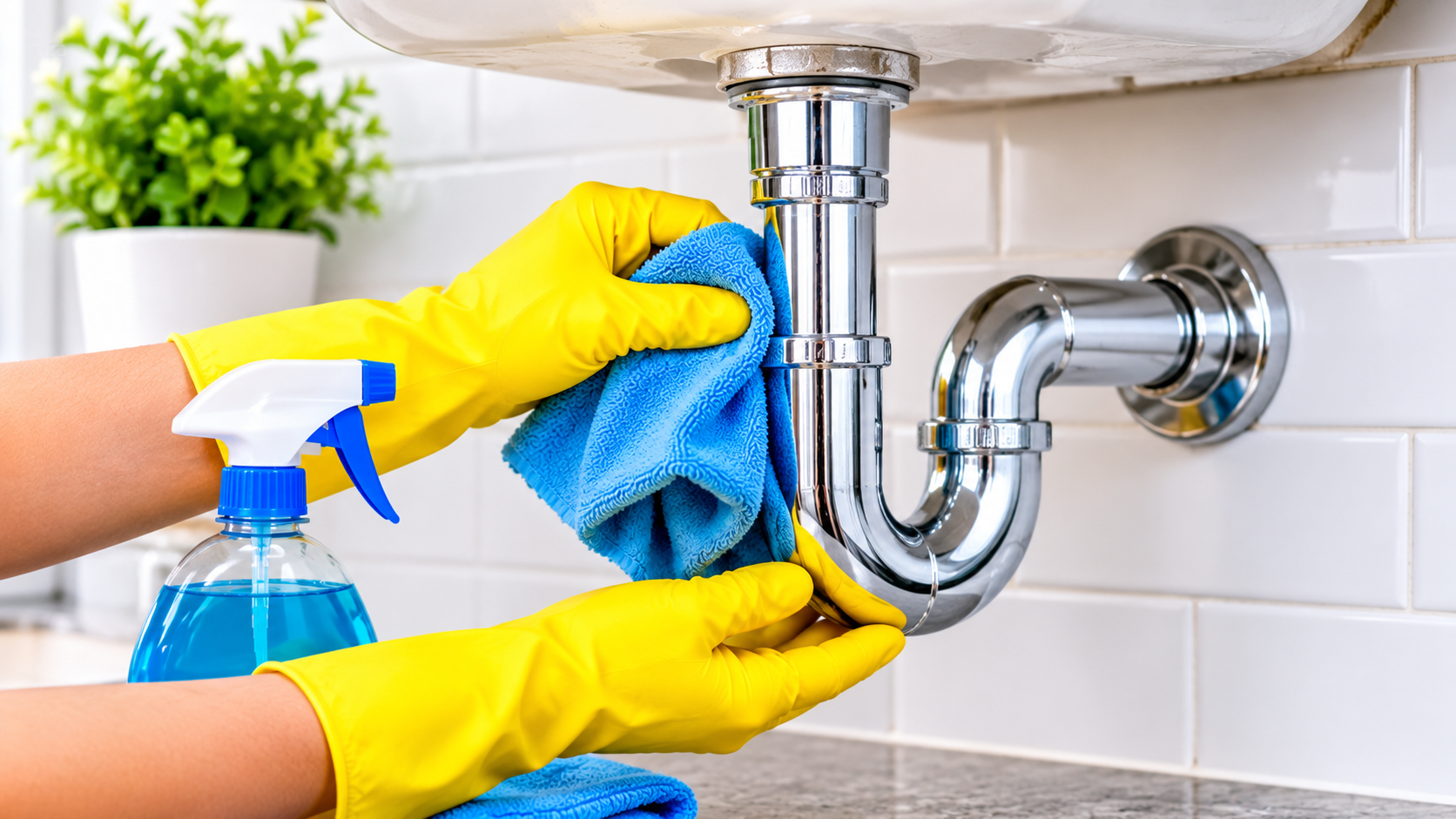
Plumbing pipes play an essential role in keeping a home clean, comfortable, and functional. They carry fresh water into kitchens, bathrooms, laundry areas, and other spaces while safely directing wastewater away. However, over time, pipes can collect grease, soap residue, hair, food particles, mineral deposits, and other debris. These materials can gradually restrict water flow, create unpleasant odors, and lead to stubborn drain clogs.
Regular plumbing maintenance helps prevent these problems and can reduce the need for expensive repairs. Fortunately, homeowners can handle many minor cleaning tasks using simple household supplies and safe techniques. Understanding the correct cleaning methods is important because different pipes and drainage systems require different levels of care.
Why Do Plumbing Pipes Need Regular Cleaning?
Plumbing pipes are not completely self-cleaning. Although running water carries away much of the waste, certain materials stick to the inside surfaces of pipes. Kitchen drains commonly collect cooking grease, oils, and food scraps, while bathroom pipes often accumulate hair, shampoo, soap scum, and toothpaste.
If these materials are not removed, they can gradually narrow the pipe’s interior. This may cause slow drainage, gurgling sounds, unpleasant smells, and eventually complete blockages.
Regular cleaning offers several benefits:
- Improves water drainage: Removing accumulated debris helps wastewater flow smoothly.
- Reduces unpleasant odors: Cleaning drain openings and traps helps eliminate odor-causing buildup.
- Prevents minor blockages: Routine maintenance reduces the chances of small obstructions becoming serious problems.
- Protects plumbing components: Appropriate cleaning methods help avoid unnecessary damage to pipes and fittings.
- Supports household hygiene: Clean drains reduce stagnant water and unpleasant residue around sinks and showers.
Common Signs That Your Plumbing Pipes Need Cleaning
Recognizing early warning signs can help homeowners address plumbing problems before they become expensive.
Slow-draining water: If water takes longer than usual to disappear from a sink, shower, or bathtub, debris may be restricting the drain.
Unpleasant smells: Persistent sewer-like or rotten odors around drains may indicate organic buildup, a dry drain trap, or a plumbing ventilation problem.
Gurgling noises: Bubbling sounds after flushing a toilet or draining a sink can indicate restricted drainage or ventilation issues.
Recurring clogs: If the same drain repeatedly becomes blocked, the problem may be deeper inside the plumbing system.
Water backing up: Wastewater returning through a sink, shower, or floor drain may indicate a significant blockage that requires professional attention.
Simple Methods for Cleaning Plumbing Pipes at Home
Homeowners can use several practical methods to maintain accessible household drains. The best approach depends on the type of blockage and the plumbing materials involved.
1. Flush the Drain With Hot Water
Hot water can help loosen certain types of soap residue and light greasy buildup. It is particularly useful as a basic maintenance step for kitchen sinks.
Boil or heat water only if appropriate for your plumbing system, then allow it to cool slightly before pouring it slowly into a suitable drain.
Avoid pouring boiling water into PVC pipes, plastic fittings, or fixtures that may be vulnerable to heat damage. Hot tap water is a safer option when you are unsure about the pipe material.
Remember that hot water cannot dissolve hair, solid food waste, or serious blockages.
2. Use Baking Soda and Vinegar Carefully
Baking soda and vinegar are popular household cleaning ingredients. Their chemical reaction produces bubbles that may help loosen some light surface residue around a drain opening.
To try this method:
- Remove visible debris from the drain opening.
- Pour approximately half a cup of baking soda into the drain.
- Slowly add half a cup of white vinegar.
- Allow the mixture to fizz for around 10–15 minutes.
- Rinse with warm tap water if the drain and pipe materials permit.
This method may help with minor odors and loose residue, but it is not a reliable solution for severe clogs or hardened grease. It also does not replace mechanical drain cleaning.
Important: Never combine vinegar with bleach or commercial drain cleaners.
3. Clean the Sink P-Trap
The P-trap is the curved section of pipe underneath most sinks. It holds a small amount of water to prevent sewer gases from entering the home.
Food particles, grease, and other debris can collect inside this fitting.
To clean an accessible P-trap:
- Place a bucket underneath the pipe.
- Wear protective gloves.
- Carefully loosen the slip nuts if the trap is designed for removal.
- Empty the trapped water and debris into the bucket.
- Clean the removable components with a suitable brush and warm soapy water.
- Reassemble the trap and check carefully for leaks.
If the fittings are corroded, damaged, or difficult to remove, contact a plumber rather than forcing them.
4. Remove Hair With a Drain Cleaning Tool
Bathroom drains frequently become blocked by hair mixed with soap residue. A plastic drain-cleaning strip or suitable manual hair-removal tool can help remove this material.
Insert the tool carefully into the drain, following its instructions. Pull out the trapped hair and dispose of it in the trash.
Do not push debris farther into the pipe. Also, avoid inserting sharp metal objects that could damage the drain or become stuck.
5. Use a Plunger for Minor Blockages
A sink or drain plunger can create pressure that helps dislodge certain obstructions.
For a sink:
- Remove standing debris from the drain opening.
- Add enough water to cover the plunger cup.
- Position the plunger over the drain to create a seal.
- Pump gently several times.
- Lift the plunger and check whether the water drains normally.
For double-bowl kitchen sinks, block the second drain opening to maintain proper pressure.
Never plunge a drain after using a chemical drain cleaner unless the product instructions specifically permit it. Chemical splashes can cause serious injuries.
How to Clean Plumbing Pipes at Home Without Damaging Them
Understanding how to clean plumbing pipes at home involves more than choosing a household cleaning solution. Homeowners should first identify the pipe material, determine the location of the blockage, and select a method that will not damage the plumbing system.
PVC, copper, galvanized steel, and other plumbing materials have different maintenance requirements. For example, aggressive chemical cleaners may damage certain pipe materials, seals, and older fittings.
A sensible cleaning routine should include removing visible drain debris, cleaning accessible sink traps, using suitable mechanical tools for minor blockages, and inspecting exposed pipes for leaks.
Avoid mixing different cleaning products. Never combine bleach, vinegar, ammonia, acids, or commercial drain cleaners. Dangerous fumes and chemical reactions can result.
If multiple fixtures become slow simultaneously, the blockage may be in a shared drain line or main sewer connection. This situation usually requires professional inspection rather than repeated household cleaning attempts.
How Often Should Plumbing Pipes Be Cleaned?
There is no single cleaning schedule that works for every household. The frequency depends on the number of occupants, daily water usage, cooking habits, and the condition of the plumbing system.
Here is a practical maintenance schedule:
| Plumbing area | Suggested maintenance |
| Kitchen sink | Remove food debris regularly |
| Bathroom sink | Remove hair and soap residue weekly |
| Shower drain | Check and remove hair weekly |
| Sink P-trap | Inspect when drainage problems develop |
| Exposed pipes | Check periodically for leaks |
| Main sewer line | Professional inspection when symptoms indicate a problem |
Preventive maintenance is generally more effective than waiting until a drain becomes completely blocked.
Common Plumbing Pipe Cleaning Mistakes to Avoid
Even simple cleaning activities can create problems when performed incorrectly.
Using excessive chemical cleaners: Repeated chemical treatments can damage plumbing components and create safety hazards.
Pouring grease down the kitchen sink: Cooking oils and fats can cool, harden, and stick to pipe walls. Collect grease in a container and dispose of it appropriately.
Ignoring small leaks: Water around pipe connections may indicate damaged seals or loose fittings. Address these issues promptly.
Using the wrong cleaning tools: Sharp objects, oversized drain snakes, and excessive force can damage pipes.
Ignoring recurring blockages: Repeated clogs may indicate tree-root intrusion, damaged pipes, improper pipe slope, or a deeper drainage problem.
When Should You Call a Professional Plumber?
DIY cleaning is suitable for many minor drain problems, but some situations require professional assistance.
Contact a qualified plumber if you notice sewage backing up, multiple blocked fixtures, persistent sewer odors, recurring blockages, water leaking from pipes, or unusual noises throughout the drainage system.
Professional plumbers can use inspection cameras, mechanical drain-cleaning equipment, and other specialized tools to identify the actual cause of a blockage.
Avoid attempting to open or clean a main sewer line without appropriate equipment and experience. Sewage exposure and pressurized wastewater can create serious health and safety risks.
Frequently Asked Questions (FAQs)
1. What is the easiest way to clean plumbing pipes at home?
Removing visible debris, cleaning accessible sink traps, and using a suitable drain-cleaning tool are practical starting points. The correct method depends on the blockage and pipe material.
2. Does baking soda and vinegar clean plumbing pipes?
Baking soda and vinegar may help loosen light residue and reduce some drain odors. However, they cannot reliably remove serious clogs, hardened grease, or deep obstructions.
3. Is hot water safe for all plumbing pipes?
No. Boiling water may damage PVC pipes, plastic fittings, and certain plumbing components. Warm or hot tap water is generally a safer maintenance option.
4. How can I prevent kitchen plumbing pipes from getting clogged?
Avoid pouring cooking grease, coffee grounds, and food scraps into the sink. Use a drain strainer and remove collected debris regularly.
5. Can I use a plumbing snake to clean household pipes?
Yes. A suitable manual plumbing snake can remove hair and other physical obstructions from many household drains. Use it carefully to avoid damaging the pipe.
6. Why do my plumbing pipes smell bad?
Unpleasant drain odors may result from accumulated organic material, dirty drain traps, dry P-traps, or ventilation problems. Persistent sewer-like smells should be investigated by a plumber.
7. When should plumbing pipes receive professional cleaning?
Professional cleaning may be necessary when blockages repeatedly return, several drains become slow, sewage backs up, or household cleaning methods fail.
Conclusion
Keeping household plumbing pipes clean is an important part of responsible home maintenance. Simple habits such as removing food scraps, collecting hair, cleaning accessible sink traps, and addressing minor drainage problems early can help prevent many common plumbing issues.
However, homeowners should always consider pipe materials and avoid harsh chemicals, unsafe cleaning combinations, and excessive mechanical force. While basic maintenance can solve minor problems, persistent blockages, sewage backups, and recurring drainage issues deserve professional attention. With the right cleaning techniques and regular inspections, homeowners can maintain a healthier drainage system and reduce the likelihood of unexpected plumbing repairs.
Click here for more details.