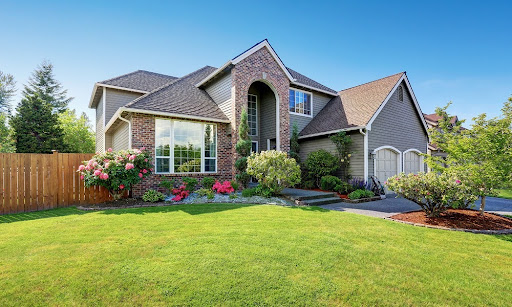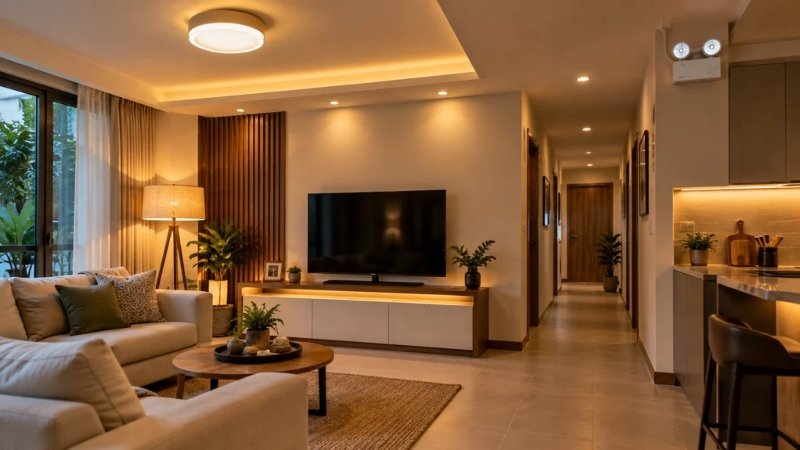
A lighting upgrade doesn’t always require tearing out existing fixtures or completely redesigning a property. Sometimes, the biggest improvements come from changing how light is distributed, replacing outdated components, or correcting poorly positioned fixtures. For outdoor spaces, Liaison Outdoor Lighting considers how walkways, architectural features, landscaping, and gathering areas work together after sunset. The same thoughtful approach applies indoors, where upgrading existing lighting can improve comfort, appearance, and energy efficiency without major construction.
Start by Understanding What’s Wrong With Your Lighting
Before replacing anything, take time to identify the problems with your current lighting. A room might have plenty of fixtures but still feel dark because the light is concentrated in the wrong areas. Outdoors, bright floodlights may illuminate the driveway while leaving steps, pathways, and entrances difficult to see.
Walk through your home at different times of day and notice where additional illumination would help. Pay attention to shadows, uncomfortable glare, and areas where the lighting feels too harsh. Consider how each space is used. A kitchen counter needs focused illumination, while a living room benefits from softer, adjustable lighting. These observations can reveal whether the problem involves fixture placement, outdated technology, or simply the wrong type of bulb.
Know When Retrofitting Makes Sense
Retrofitting involves updating an existing lighting system with newer components instead of replacing the entire installation. It’s particularly useful when fixtures are structurally sound but contain inefficient bulbs or older lighting technology. Recessed ceiling lights, for example, can often accommodate LED upgrades without requiring extensive ceiling modifications.
Before proceeding, however, it’s important to check whether the existing housings, wiring, and controls are compatible with the proposed replacements. Some older fixtures have physical or electrical limitations that make a complete replacement more practical. A qualified professional can identify these issues and determine which components can safely remain in place.
One advantage of retrofitting is that modern LED components can often fit existing recessed housings while improving light quality and reducing electricity consumption. Proper fixture compatibility remains important, according to Illuminated Lighting Design Services, particularly when selecting replacement trims, LED modules, and dimming controls. Choosing compatible equipment helps prevent flickering, uneven illumination, and premature component failure. It can also preserve the appearance of finished ceilings, making retrofitting especially appealing in rooms where extensive remodeling would be disruptive.
Better Lighting Isn’t Always Brighter Lighting
One common mistake during a lighting upgrade is assuming that more brightness automatically produces better results. Excessive illumination can make rooms uncomfortable, create reflections, and wash out architectural details. Good lighting depends on placing the right amount of light where it’s needed.
Color temperature also makes a noticeable difference. Warm white lighting, typically around 2700K to 3000K, often works well in living rooms, bedrooms, and outdoor seating areas. Neutral white lighting may be more appropriate for kitchens and workspaces where visibility matters. Mixing dramatically different color temperatures within the same space can create an inconsistent appearance.
Layering light is another useful technique. Instead of relying entirely on overhead fixtures, combine general illumination with task lighting and subtle accents. Under-cabinet lights can make food preparation easier, while carefully positioned accent fixtures draw attention to artwork or architectural details. This approach creates flexibility without unnecessarily increasing overall brightness.
Give Outdoor Lighting Its Own Upgrade Plan
Exterior lighting presents challenges that indoor fixtures rarely encounter. Rain, humidity, temperature changes, and exposure to soil can affect performance over time. Any replacement components must be rated for their intended installation conditions, particularly around uncovered patios, garden beds, and other moisture-exposed areas.
Placement is equally important. Pathway lights should make changes in elevation easier to recognize without shining directly into someone’s eyes. Architectural fixtures should reveal textures and shapes rather than flattening entire walls with excessive brightness. Around patios and seating areas, softer illumination often creates a more comfortable environment than powerful overhead lights.
Existing outdoor systems may also need adjustments as landscaping matures. Trees grow, shrubs spread, and new structures change how light moves across a property. Repositioning a few fixtures or adjusting their beam angles can sometimes produce a greater improvement than adding more lights.
Think About Controls and Long-Term Maintenance
A lighting upgrade is also an opportunity to improve how the system operates. Timers, occupancy sensors, dimmers, and programmable controls can reduce unnecessary energy use while making everyday lighting easier to manage. Outdoors, automated schedules can illuminate entrances and pathways when needed without leaving every fixture running throughout the night.
Before installing dimmers or automated controls, confirm compatibility with the selected LED equipment. Incompatible components can cause buzzing, flickering, or unreliable operation. It’s also worth considering future maintenance. Accessible fixtures, replaceable components, and durable materials can simplify repairs and reduce long-term expenses.
The most successful lighting upgrades begin with a clear understanding of how each space should function. By evaluating existing fixtures, choosing suitable retrofit options, and improving placement and controls, homeowners can achieve better lighting without replacing everything.
Click here for more details.