Few things are more frustrating than finishing a thorough cleaning session only to notice dust collecting on furniture a day or two later. Even homes that receive regular attention can quickly develop a dull appearance as particles settle on shelves, fingerprints appear on glass, and debris gathers along floors. Understanding why this happens is an important part of ensuring a polished and well-kept interior. Rather than repeatedly cleaning the same surfaces without lasting results, homeowners can make practical changes to how they manage dust, maintain furnishings, and organize household chores.
Where Does All That Dust Come From?
Dust doesn’t have a single source. It’s a mixture of tiny particles that enter or originate inside the home, including fabric fibers, skin flakes, pollen, soil, and other airborne material.
Everyday activities contribute to this accumulation. Walking across carpeting, moving blankets, opening windows, and rearranging furniture can release particles into the surrounding air.
Outdoor conditions also influence how quickly a home becomes dusty. Wind can carry fine particles through open doors and windows, while shoes and clothing bring additional debris indoors.
Some materials contribute more than others. Upholstered furniture, rugs, and certain fabrics naturally release small fibers through regular use.
Because these sources are constantly present, eliminating household dust entirely isn’t realistic. The objective is to reduce unnecessary accumulation and prevent particles from spreading throughout living spaces.
Why Cleaning From the Top Down Actually Works
The order in which household surfaces are cleaned can influence how long the results last.
Imagine vacuuming a living room floor and then dusting the ceiling fan. As the fan blades are wiped, some particles fall onto the freshly cleaned floor, creating additional work.
Starting with higher surfaces helps avoid this problem.
Ceiling fans, tall shelves, cabinet tops, and window treatments should generally receive attention before lower furniture and flooring.
A slightly damp microfiber cloth can capture dust without scattering as much of it into the surrounding air. Dry feather dusters, particularly when used aggressively, may simply redistribute some particles.
After cleaning elevated surfaces, move toward tables, countertops, and baseboards.
Finish by vacuuming or mopping the floor, where loosened debris is likely to settle.
This sequence doesn’t eliminate every airborne particle, but it reduces the need to repeat tasks during the same cleaning session.
Your Favorite Furnishings Might Be Holding Onto Dust
Soft furnishings make a room comfortable, but they can also trap particles that become airborne when the materials are disturbed.
Sofas, upholstered chairs, cushions, and decorative pillows deserve more attention than they often receive.
Vacuuming upholstery with an appropriate attachment helps remove loose debris from fabric surfaces and seams. Removable covers can be laundered when their care instructions permit it.
Curtains are another frequently overlooked source of accumulated dust.
Their large surface area allows particles to settle over time, especially near frequently opened windows. Depending on the material, curtains may require laundering, careful vacuuming, or professional treatment.
Area rugs also deserve regular maintenance. Dirt and grit can become embedded in fibers, particularly near entrances and frequently used seating areas.
A consistent cleaning routine helps prevent these furnishings from becoming long-term collection points for household debris.
The Entryway Has More Influence Than You Think
A significant amount of indoor dirt begins its journey near the front door.
Shoes bring in soil, sand, moisture, and fine outdoor particles. As people walk through the house, some of this debris spreads into adjoining rooms.
Placing suitable mats outside and inside entrances helps capture dirt before it travels farther.
However, mats need cleaning themselves. A heavily soiled mat can become another source of loose debris rather than an effective barrier.
Shoe storage can also make a difference. Providing a convenient location for footwear encourages household members to avoid tracking outdoor dirt through living areas.
For homes with pets, wiping muddy paws after outdoor activities can reduce the amount of debris deposited on floors and furniture.
These habits don’t require extensive effort, but they can reduce the amount of cleaning needed elsewhere.
When Ordinary Dusting Isn’t Enough
Routine cleaning usually concentrates on visible, accessible surfaces. Over time, however, particles can accumulate in locations that are difficult to reach during everyday housekeeping.
The tops of kitchen cabinets, spaces behind large appliances, interior window tracks, and areas beneath heavy furniture may remain untouched for extended periods.
Addressing these locations periodically prevents buildup from becoming excessive.
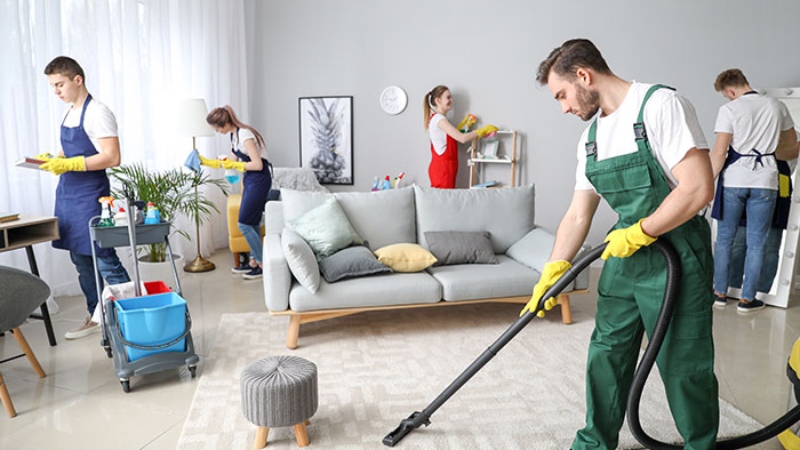
When regular household cleaning isn’t enough to cover these less accessible areas, professional help can be a practical option. Those looking for additional cleaning support can explore services such as http://bluebird-cleaning.com/ to find options that suit their household needs.
Before scheduling assistance, it’s useful to identify which areas need attention and confirm whether tasks involving furniture movement, appliance interiors, or detailed dust removal are included.
Once neglected areas have been addressed, ordinary maintenance may become easier to manage.
Your Vacuum Cleaner Needs Attention Too
A vacuum cleaner can only perform effectively when its components are properly maintained.
Overfilled collection containers, clogged hoses, dirty filters, and tangled brush rolls may reduce suction or cleaning performance.
Checking these components regularly helps the machine operate as intended.
The choice of vacuum attachment also matters.
Soft brushes are useful for certain furniture surfaces, while crevice tools help reach edges, corners, and narrow spaces.
Hard flooring may require different settings or attachments from carpeting. Using an unsuitable rotating brush on delicate flooring could cause scratches or unnecessary wear.
Vacuuming slowly enough to collect embedded debris can also be more effective than rushing across the same area.
Always follow the equipment manufacturer’s instructions for cleaning filters and maintaining individual components.
Don’t Overlook Airflow and Ventilation
Air movement influences where dust travels and eventually settles.
Heating and cooling systems circulate indoor air, while ceiling fans, open windows, and everyday movement can redistribute suspended particles.
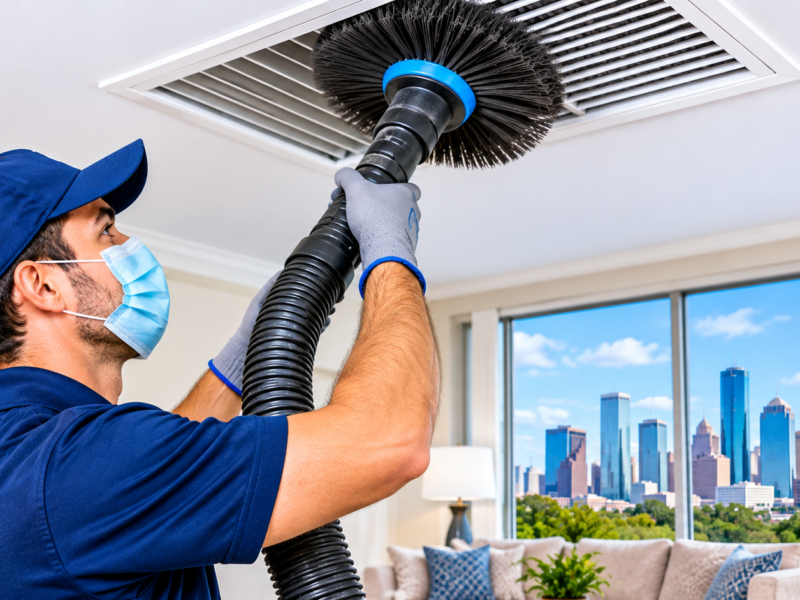
Maintaining heating and cooling filters according to manufacturer recommendations helps keep equipment functioning properly and can reduce the circulation of certain airborne particles.
Where appropriate, a portable air cleaner with a suitable particle filter may provide additional filtration in frequently occupied rooms.
However, air filtration doesn’t replace surface cleaning. Particles already settled on furniture and floors still need to be removed.
Outdoor air conditions should also guide ventilation decisions. Opening windows during periods of heavy pollen, smoke, or airborne dust may introduce more unwanted material.
A balanced approach considers both indoor air quality and the sources of particles entering the home.
Create a Cleaning Routine That Matches How You Live
Not every room accumulates dirt at the same pace.
A busy living room used by several family members may need more frequent vacuuming than a guest bedroom that remains empty most of the week.
Similarly, households with pets may need additional attention around favorite sleeping spots, furniture, and entryways.
Instead of following an identical schedule for every room, organize cleaning around actual use.
Frequently occupied spaces can receive regular dusting and floor care, while less-used rooms may only need periodic attention.
More demanding tasks, such as moving furniture or cleaning elevated surfaces, can be spread across different weeks.
This approach helps prevent housework from consuming entire weekends while ensuring that neglected areas eventually receive attention.
A Cleaner Home Doesn’t Have to Be Dust-Free
Dust will always return to some extent because the activities that produce it are part of ordinary life.
The goal isn’t to create a completely controlled environment where every surface remains untouched. It’s to prevent unnecessary buildup and make routine cleaning more effective.
Working from higher surfaces downward, maintaining upholstery, managing entryway debris, and keeping cleaning equipment in good condition can all contribute to better results.
Just as importantly, understanding where particles originate helps homeowners spend less time repeating ineffective tasks.
A comfortable, attractive home doesn’t depend on constant cleaning. It comes from using thoughtful methods that make everyday maintenance easier and the results more satisfying.
Click here for more details.